Life in Cuzco

The tourism around Cuzco is amazing. I really cannot question why 2 million tourists visit the area each year. I am a little surprised that there are not more tourists, though I do not think I saw the high season. However, we were in this great city for a month, the tourism definitely did not take up all that time. Thus, second installment of living in Cuzco…
Life in Cuzco
One strategy for Aaron and I to stretch our money, and thus extend the amount of time we can afford to stay in South America :), is to stay in certain cities for a couple weeks and work in a hostel. This is seriously a good way to majorly cut back on expenses, occupy yourself in the evenings, and meet some wonderful people (local and traveller, alike).
We knew that we would want to spend some time in Cuzco to be able to fully explore the archaeological splendors in the area, so our only dilemma was finding a hostel to work in. We did some research on the internet to see which hostels looked nice and had all the amenities that we desired. The actual dilemma, however, is finding the right hostel atmosphere, something the internet cannot tell you. We had decided on Pariwana Hostel before arriving to Cuzco. Upon arriving we promptly checked in and made our inquiry. There are a zillion hostels in Cuzco, but Pariwana happens to be located within a high concentration of hostels. Pariwana is a really nice hostel. There are lots of rooms, so you never have a packed dorm; the beds are amazingly comfortable, with duvet and two pillows; they have a full kitchen for guest use; they have a computer room with six or so computers; a movie room FILLED WITH lounge chairs and PILLOWS!, as well as a large selection of movies; a courtyard area with tables, bean bag chairs, and ping pong table; they have hot water available 24/7 for tea or coffee; there is a bar and full food menu; AND lots of bathrooms that actually offer privacy and really good shower pressure. I really cannot say enough about the comforts of Pariwana. After asking about positions at the bar, we were informed that there was only one bar position and one reception position. Neither of us were interested in working reception. Our quest for the right hostel continued. We decided to go about and start asking at other hostels that we also found online. This led us to Wild Rover. I immediately fell in love. The atmosphere was perfect for me and the people are simply marvelous.
The way hostel bars work is that shifts are determined on Sundays or Mondays. Therefore, you almost always have to wait until the scheduling day to guarantee your position on the worker roster. While waiting for this day at Wild Rover, Aaron decided that it was not the right fit for him. He headed back to Pariwana and took the bar position. In the end we ended up at different hostels, which I think was to our benefit. I could get into Pariwana whenever I wanted and use their movie room or hang out with Aaron in the bar and utilize his discount for the occasional Oreo milkshake, bowl of soap, or super discounted beer. I waited patiently to learn whether I would start at Wild Rover. While waiting I started integrating myself with the staff and other hostel guests. This actually worked to my advantage because I made friends with the night door security guy, so after I left Wild Rover, I was never hassled about getting into the hostel. It pays to be friends with security. I had some very fun nights. Wild Rover is an Irish-themed hostel, so the bar has a proper Irish pub feel. And I must say that after visiting many bars in the Cuzco area, the Wild Rover bar is far superior to the other hostel bars. The bar space is smaller so with a lot of people or a few people, it always seems full; the space is long and skinny with the bar running along the length of the room, allowing lots of sitting along the bar or several side tables; the chairs are all at the same height, which is approximately standing height, so everyone is on the same level; and the decor is spot on with wood panelling and Guinness posters. Pariwana is set up too much like a restaurant, the music often seems too loud, and the giant tables make it difficult to talk across and mingle; The Point is really good but the bar needs to be just a little larger with more space at the actual bar and more little cushion chairs at the tables, I also disliked how the pool table is hidden in the back corner; and Loki has too much going on, it is easy to there to be lots of people but all isolated off into small, non-intermingling groups. There are others, but I frequented these the most. Anyways, after waiting a week, I learned that I was not only not getting a position on the Wild Rover bar staff, but that two other girls were ahead of me for work spots. I quickly began to inquire at Pariwana, Loki and a few others. Then, I finally stopped off at The Point one evening while the bar staff were actually around. It was almost like I had kept missing the bar managers so that it could work out as perfectly as it did. I walked in, met the hostel owner and one of the bar managers, and had a spot to start the very next day. I also have to put a side note in on the key location of this hostel. Pariwana, where Aaron was already working, is on the same block on the same side of the road a mere 25 meters up the road. The Point is about at the mid-way point on the block. Then Wild Rover was on the opposite side of the road about a block down the street. So I was positioned half-way between Aaron´s hostel and my favorite bar. Though shortly after starting at The Point, I quickly began to love my new home.
I have failed to mention why exactly working at a hostel is so perfect for the long-term traveller. There are some unbeatable benefits to the job. The exact specifics vary according to hostel, but the usual standard is to receive a free bed and then certain discounts on your tab. For Pariwana, Aaron had free accommodation, he could get a free meal each day around 10 PM of the leftovers for whatever the day´s special was, 40% off anything on his tab for food and drinks, and then the occasional free drink/any free promotional drinks the bar gives out. At The Point, I received free accommodation and one free meal of my choosing each day. And I must admit that though I do like the veggie sandwich from Wild Rover, the ladies from The Point are extremely nice and wonderful cooks! Surprisingly, there was actually a fair number of vegetarian options on the menu too. My favorites: the giant full veggie breakfast: toast, fried eggs over easy, beans, baked potato, fried onions with mushrooms, cooked tomato, and maybe some more. Delicious. The veggie lasagna with three pieces of garlic bread and a salad with tomato and onions. The Triple Peruvian sandwich of a bread slice, avocado, another bread slice, fried egg, lettuce, tomato, topped with a bread slice, and then a portion of fries. The fries were amazing! Big thick potato slices, more potato than grease. I ordered just fries on several occasions. 🙂  But my all time favorite item was The Point Queen Salad! A big pile of lettuce topped with tomato, boiled egg slices, olives, cheese slices or Parmesan, pepper slices, oregano, and vinegar. Maybe some other ingredients too. I just remember it being delectable and my preferred supper choice most days. Then there was also the additional perk that The Point people are on good terms with many of the bars/clubs we would frequent after closing time, thus we always had free entry and the occasional free drink or at minimum happy hour prices all night. Coincidentally, these bars were the only ones we ever went to. 🙂
Now the secret is out. In the few days it took to see all the sights and take a Machu Picchu trek, we basically spent a month partying. I will not speak for Aaron, but my typical day involved waking up anytime between 10 A.M. and 3 P.M. (except on sight-seeing mornings which were usually quite early as we would have be be back before shift starts); showering; going to the store to buy a couple liters of juice to rehydrate; wasting time before shift, be it watching movies, wandering the streets or running errands; then starting my work shift at 7 P.M. and staying there until we closed sometime between midnight and 2 A.M.; then we would go out to clubs afterwards (Groove -my favorite, Mama Africa, occasionally Mushroom below Mama Africa, and rarely Mythology); and finally I would crawl into bed anywhere between 2 A.M. and 9 A.M. Groove was my favorite. We usually would make our rounds to the others for the free drink then end at Groove. There is a marvelous company who goes around to various clubs to take photographs. Aaron and I can be spotted in a few albums (almost entirely only in the Groove albums: http://www.key2cusco.com/photos/albums/118/groove-cusco) at the Key2Cusco sight (http://www.key2cusco.com/clubs). Spoiler, I had my purse robbed on my last night in Cuzco, removing that last two months of Peru pictures and my camera from my possession, so I will be going through these photos to find the ones with Aaron and myself to make available via my facebook album. I just have not had much luck with cameras in Peru. I recently purchased another, making this my third camera in less than a year. For anyone traveling in the future, guard your camera with your life. Or at least do not be as lazy as me and upload photos constantly so you will not lose such precious memories.
The Point is known for being a party hostel, and they are quite deserving of that title. First of all, the bar could be the setting of a Red Bull or Jeiger commercial. They save back every empty can and bottle to line the walls with. Then, they have themed nights at the bar. This involves creating a theme and then having everyone dress up. They go so far as to actually provide various costume items for the use by the hostel guests. The motivation to dress up increases exponentially when a bar staff member, also in costume, can walk up to patrons and literally offer them dress-up gear/without permission just start putting costumes on them. 🙂 We had eighties night in workout gear, ladies night with men in dresses and stuffed tops, black light night with all visible skin covered in neon paint, and other random nights. Not to mention that I was in Cuzco for Halloween, so you know that was a good time. I made zero effort on an angel costume (I did have white wings at least…), but other people showed up with marvelous costumes. And when we went out to the clubs, the clubs even had themed parties. Groove was all decorated as a circus tent with performers. At The Point, they also have live bands perform a couple nights each week. There was an Argentinian couple with the guy playing accordion and the girl performing a folk, flamenco, gypsy style mix type of dance with a full skirt. They were really nice and the performances were always great. Then there was a group of all guys from Colombia who performed Reggae style music. That band actually performed at several venues all over Cuzco. The last one I saw a couple times were a different group from Colombia who did more acoustic type music. There were two different drums and a woman singing. They were all really good. Then, there are a poker table and a foose ball table that are quickly convertible into two beer pong stations. I like the bar at The Point because we had a lot of variety everyday and throughout each night. There are two happy hours, from 6 to 7 P.M. and 10 to 11 P.M. Then depending on whether there was a theme, a band playing, or poker game, the amount of people, the type of people, the level of crazy, and everything in between fluxed. I also have to saw that we had a really good music selection at our bar. Once you start going out in South America you will notice that there are only about 10 songs that get played continuously in every bar and club. Our bar had variety and never just put on a pre-made play list. And, of course, we always encouraged people to have a good time and dance whenever inspired. There are lots of fabulous photos of people in costume, smiling, laughing, dancing (sometimes on the bar or table), and in general having a good time. Some nights were slow, but the mood was never forced. I liked that the most about The Point bar. Dull night or crazy night, the people who were in the bar always were enjoying themselves. Not to mention that games of Uno were practically an every night occurrence. Often with stakes of loser buying shots.
This may sound startling to some of you. I will admit that I could not continue that life style for the long term, but it was a good time. I cannot describe all the amazing people I met, interesting stories I heard, and hilarious moments I partook. I already said that Cuzco was one of my favorite cities so far, and it was because of the memories I will never forget and friendships I made. And surprisingly, or not, I was not actually drunk the whole time, nor did I drink every night that I went out. In fact, I often would just drink juice until close to closing time and then I would wait for the few free drinks I could get after we were already out at the clubs. At the clubs we were just dancing, one of my favorite activities. It was like catching my daily late night spin class. Dancing for a couple hours every evening is not an easy task. Aaron has been going to a gym in Cuzco, but I have just been letting myself whither away into an unshapely weakling. Going to the clubs was like my only physical activity, so it was to my benefit to go dancing each night… 😉 Also, going to the clubs was like my way of socializing with all my friends from the other hostels. Once you have been marked as resident tourist or hostel bar worker, you start meeting people from other hostels and make friends. Unless you visit their bar on your nights off and vise versa, you do not see people except once you all meet up at the clubs. And I made some great friends at other hostels. I cannot imagine not going out at night to see them. Plus, the hours of party in Cuzco do not even begin to touch how late people go out in Argentina. Just wait until I have worked at a hostel in Buenos Aires…
Random Facts about Hostel Life
Ok, 180 degree turn, but on to a new topic. I already described the comforts of Pariwana. I have not yet mentioned the set backs of living in hostels. For one, I always take the cheapest room, which means staying in these large 10 to 16 person dorms. This means that you have a shared bathroom, shared living space, no privacy, and only a small locker to store all your possessions. This is not exactly the most comfortable way of living, but easy manageable. What you really look for are the small comforts, of which Pariwana was plentiful. Though the bar was always loud, the rooms were not highly affected by the noise level, thus sleep could occur at any time. Plus, the windows had curtains so the blaring sun did not need to waken you either. And I already mentioned that the rooms were not particular full at Pariwana due to the hostel´s very large size and practice of spreading people out across rooms rather than stuffing as many into a single room as possible. I had some of the best sleep at Pariwana. This was not true at Wild Rover or The Point. At Wild Rover, the 16 person dorm is right off a courtyard area, so without fail you start hearing conversations at semi early hours each morning. Then depending on whether you had considerate roommates, the noise and lights within the room varied each day. The one perk was that if the lights were off and the curtain closed, the room stayed dark all day. It was at least moderately quiet, though, even during prime bar times. This is only because they have semi strict noise control at Wild Rover due to surrounding residential homes. I had the worst luck at The Point. The Point is a party hostel, and that is what they do best. But that means that you can hear the music throughout the whole hostel from 7 P.M. up to 2 A.M. every single day. On top of that, when I was in the staff room, we had a sky window which never failed to let full sunlight in. As I often went to bed after sun rise, it was difficult to sleep when my natural instincts are to wake up with the sun. Then after we went to Machu Picchu I was relocated to the 14 person dorm. This was my worst sleep. My bed was right by the door and the other inhabitants were extremely rude. They got up between 8 A.M. and 10 A.M. every morning (it was a group of about eight or ten people) and would turn on the lights, shuffle their belongings, talk loudly to each other, walk back and forth across the room, and open and close the door a million times. I do not mind them getting around early in the morning, but when every single day they completely disregarded the fact that other people might want to sleep in, I was not very happy with them. The sleeping arrangements become important with you are going to be somewhere for any length of time.
On top of the beds and rooms, the second factor of hostel living is the bathrooms. Having no privacy in your room is one thing but having no bathroom privacy really takes the cake. At Pariwana, the bathrooms are public use but they are individual rooms with closing-able and lockable doors. Toilet, shower, sink, and mirror all in your private space until you vacate the room. At Wild Rover and The Point you have a single room with all the toilets, showers and sinks simply partitioned from each other. I do not think I need to go into details on why you occasionally do not want to know who is in the stall to your left or when you just want some mirror primping time without people walking through. Certain grooming practices are not meant to be in public domain. The other things you look for when selecting a hostel are the bar and food prices, drink deals, food quality, hostel location in terms of proximity to grocery store, other bars, and eateries, general cleanliness of the hostel, and the happiness level of the staff and security. When only staying for a couple nights in a city, usually whatever is cheapest wins, but these are serious considerations when deciding to call a place home for any length of time.
People to Know
I will not give many descriptions because there are simply too many people. But here are the names of people who I spent the last month with. These names will belong to the million faces in photos that you will not recognize. 🙂
Upon first arriving to Cuzco, we met the delightful Sarah Fox, from Ireland. She was staying in the same room as Aaron and myself. The three of us went out one night, it was like our interview for Loki. We each had about three drinks total the whole night and it ended us. Good to know information, when first arriving at altitude drink only one alcoholic beverage the first time you go out, and drink it very slowly. After having had barely anything to drink we all felt awful the next day. Through Sarah, we also had the lovely opportunity to meet her friend Elaine Flavin. I was sad to see them go. Also at Pariwana, we ran into Helen from Máncora! I love when we run into people again.
Other than the occasional befriended traveller, the workers from Pariwana are really the ones that need a shout out. Aaron worked there for three weeks and I frequented almost daily. The ones I know best are Nick and Adrian from Australia (bar workers), Angel from Peru (bar worker), Sebastian and Christian (bar workers), Katy from Peru (hostel manager), and Yina from Peru (bar worker). Then Aaron gave me some more names of Rosio, John, Saul, Louis, Fernando, Claudia, and Pamela (bar and kitchen workers).
My second home after The Point. We saw Irish Colin again. Same Colin from Máncora and Lima. And then I met some amazing girls: Diana from Chile, Tania from Chile, and Daniella from Peru. Also, there is Frank from the Netherlands, the long term, crazy resident of Wild Rover who does not actually stay there. He recently left Cuzco. I cannot imagine a Wild Rover party without him.
Really, though, it is the Wild Rover workers that I love the most. Bar staff: Fiona, Kate, Rowan, Stuart, Scott, Ollie, David, and Grainne (bar manager). When I arrived Fiona and Grainne had been the only girl bar tenders. Luckily they got a few new ones eventually. Completely different from my bar at The Point where we had basically only women. Then Colm (owner), Sanne, Liam (owner), and Meghan. Melissa from reception. There were other when I arrived and new ones by the time I left. But these were the main attractions. And most of them have been there anywhere from several months to a year. I was in Cuzco a month and could easily have continued on. It is like a time warp. The crazy part is that right before I left Cuzco, several of them left Cuzco. I can only imagine how sad it was at Wild Rover after that.
My home and place of occupation for just under three weeks. I really am not doing justice to descriptions of people, but there are simply too many people from my month in Cuzco. There are locals who are regulars to the bar. Friends of friends. Like workers from some of the clubs we had special deals with. Then there were all the people who stayed at the hostel. Quick side note. Ran into French Simon and Greg at a bar one night. I never fail to see them everywhere we go by happenstance. Also, Aaron and I got to see the four boys from Bahía de Caraquez again! Miles, Spencer, Sam H., and Sam S. from California. We were hoping to run into them. They got to Peru and went on the Inca Trail and we saw them on Halloween and then again when they got back. Such a great group of guys. When working at the bar you really get to know the guests pretty well. You are like a stable icon that is always present in the socializing area regardless of whether it is a slow night or a crazy night. Also, we frequently had a game of Uno going and would invite people to join in the game. Do not think that was a mechanism of boredom, though. The night could be in full swing, the bar packed, people jumping around in neon paint under black light, and we would still have a high stakes Uno game going. We were just dedicated. 🙂 And we occasionally through in a game of Connect Four or something…
Ok, I already mentioned the wonderful ladies in the kitchen. There was also Vanessa at reception and Carmen the hostel manager, as well as the cleaning ladies, ever at their jobs, and one lady´s adorable little daughter. Then there is Ben, the hostel owner, Australian (hence the “Point” hostel. Bruno and Mateo, Peruvian, bar managers, crazy, both DJ´s. Our bar staff was Pamela, amazing girl from Peru, always fun to be around, I will miss her dearly! Sandra, Peruvian on vacation to Cuzco from Lima, she is part Chinese and everyone called her China. Melanie, from Belgium, she came to us because she was dating Angel from Pariwana and wanted a cheap way to stick around longer, she did volunteer work during the day, and is a blast. Spoiler, I got to see her again in Arequipa and have plans to meet up in La Paz for New Year´s! This was our group. Great girls! On Thursdays we would all take off to have our own Ladies´ Night! That is where Alice and Sandy come in. Alice, worked at The Point a while ago but basically comes around all the time still. She is hilarious and crazy, and luckily for me she always has a camera glued to her hand. She coincidentally is taking a vacation in Arequipa right now and I got to see her a couple times. Sandy, the sweetest girl, works at Mushroom, good friend of Pamela. I am sad that I will not get to see Pamela and Sandy again! Near the end a new guy Sam started, then Dana, then the day I left two new guys showed up. The party continues.
It is really strange when you stay somewhere a long time and just start feeling at home when it is time to leave. This time was different than when leaving Bahía de Caraquez and Planet Drum because there we had such a limited group of people. But in Cuzco there were so many avenues of life to tangle your heart strings into. There is the city, the cuisine, the locals, travellers, and then the people you live with and work with. On one hand you would think the smaller group from Ecuador is best because you are in such close quarters with the same great people. But the comparison to Cuzco is not possible. Cuzco will have a special place in my heart, and I will remember it fondly.
Cuzco, Cusco, Qosqo

Cuzco, Cusco, Qosqo
However you spell it, it has been one of my favorite cities. The people I have met, the archaeological splendors, the colonial and pre-colonial aesthetics of the historic district, my favorite vegetarian restaurant (Prasada, AMAZING!), the night life, and so much more! It is a city that continues to surprise me and provides endless entertainment (especially with all the new people I meet while working at a hostel). I love this city  and now understand the Cuzco time warp. 🙂 My Cuzco experiences…
Part One: Like a Good Tourist
For the last month I have been working in the bar at a party hostel, so I cannot deny that most of my time is spent at the bar, going to clubs and sleeping all day to recuperate. However, Aaron and I did take full advantage of the fantastic archaeological sites within and surrounding Cuzco, as well as the beautifully gorgeous historic district that we have been living in. Thus, I will commence my adventures of the last month with Cuzco and the sites we saw.
Cuzco is situated in the valley of the Watanay River at 3,360 m.a.s.l. Cuzco is at an elevation of approximately 3,360 m.a.s.l. This is not an unbearable elevation but even after a month here, I am still winded when I run up and down the stairs too many times. Therefore it was pretty entertaining when we first arrived and had to fight labored breathing just to walk along the streets and see the city. But it was worth the effort because the historic district of Cuzco is fantastic. It was founded by the Inca Manqo Qhapaq between the 11th and 12th centuries C.E. (though archaeologists now think more so in the 12th century), as the capital city of the Tawantinsuyo. Then on 15 March 1534, the Spanish conqueror Francisco Pizarro founded a Spanish city over the Inca one, allowing until now the same Incaic setup: temples, palaces and residences from different times, as an architectural example of an important cultural fusion. “Cuzco” originates from the Quechua word “Qosqo,” meaning “navel” or the center of the Tawantinsuyo. Once the capital of the Inca Empire, now an UNESCO World Heritage Site, I can walk the streets for hours and never become bored with all the little neighborhoods. After the Spaniards arrived in 1533, they destroyed many Incan buildings, temples and palaces, then used the remaining walls as bases for the construction of the new city. Thus, many buildings constructed after the Hispanic invasion have a mixture of Spanish influence with Incan indigenous architecture. Everything is brick walls and roads, cute little plazas nooked every couple blocks, and endless streets and walk-ways filled with shops, restaurants and homes, always with small inner courtyards offering more craft stands and shops. The first two weeks here I would just start walking without a planned destination to explore and discover all the nooks and crannies of the historic center. When we first arrived, we were staying at Pariwana Hostel which has this map with a recommended walking path to see the major plazas and sites. We of course started the tour the first day, but my map skills were incredibly awful that day. I took us down the wrong streets or mixed up which street we should go down first. It could have turned out unpleasantly except it caused us to stumble upon my gem of Cuzco, the all vegetarian restaurant Prasada. Even my carnivorous companion, Aaron, thinks it is a good place with delicious food. I have gotten him to eat there like five or six times. He fancies the burgers (which, yes, are vegetarian). Cuzco is not as expensive as Lima´s Miraflores district but definitely second most as compared to the rest of Peru. So you must understand the bliss I found in Prasada when I discovered that they have 8 sole lunch deals of delicious [actually] vegetarian food. Yes, there are places that have 3.50 to 5 sole dishes that can be made vegetarian, but I can only eat so much rice before I want variety and flavor. This is especially true when considering that at any tourist restaurant you are looking at prices starting at 15 soles. Outside of finding this magnificent eatery, I also really love all the plazas. Plaza de Armas is the main plaza with two churches. It is always packed with people. Then San Blas has all the artisan and craft workshops down narrow, winding streets. Plaza Kusipata is less talked about but aesthetically really appealing. It has a cute little grassy area around the benches and fountain, as well as most of the door ways and shutters on the surrounding buildings all painted a bright blue. Plus it is the location of the free chocolate museum… 🙂
Part Two: Archaeological whirlwind
We purchased the Boleto Turístico del Cusco, to have access to 16 locations for the duration of ten days. On our first day of sight-seeing, we caught the sites in Cuzco. We went to the Museum of Contemporary Art of Plaza Kusipata. It is inside the Cuzco City Hall building, which is interesting because you never quite know exactly where you are allowed to enter and whether the art you are seeing is actually a part of the exhibition or long term office decoration. I did like some of the pieces though, and the displays are from contemporary Peruvian artists. Next we went to the Museum of Regional History, also in Plaza Kusipata. These exhibits were quite interesting and included English information plaques which aided in my ability to enjoy the history. There were items from as far back as the Pleistocene up to Inca Times, including European influences from when the Spaniards came. There were items from pre-Incan cultures such as the Chanapata, Kilque and Marcavalle. There is Incan pottery, metalwork and textiles, as well as 16th and 17th century colonial paintings. I liked the setup and flow of the museum. Each exhibit “theme” was divided into separate little rooms. We also went to the Museum of Popular Art, which exhibits famous or renowned contemporary craftsmen from Cuzco. I was surprised by how uninterested and unimpressed I was by this museum. Overcrowded rooms and shelves with no apparent organization. I did really enjoy the few photographs on display, though. They showed pictures of Cuzco´s historic center during the 1920´s through 60´s. These were incredible to see how different and how similar some parts of the city are as compared to today.The last site we went to that day was the Qorikancha site museum, in the Qorikancha Temple basement, along Avenida El Sol. It has fragments of Inca pottery, metalwork, textiles, paintings, sculptures, and musical instruments. There is a scale model show how the site may have actually looked, and is has replicas of pre-Incan and Incan items found during on-site excavations. The coolest items were in the display on how they used to deform their skulls to be more long and conical. Instead of round craniums, they wrapped young children´s heads to deform them while they are still forming. They also did surgeries to cut bone away in the skull to have certain shapes or patterns of missing bone. The crazy part is that they only had about 65% success rate on these surgeries. Since these deformations were only for the high class or important people, I do not know if I should be startled at how many would have died or impressed at that level of success. Especially considering they were conducting cranial surgeries. My absolute favorite part was right at the entrance where there was a civilizations timeline showing cultures and events globally through time compared to cultures in Peru. It really put things into context for me. It was a good first day to exploring Incan culture.
Our next sight-seeing adventure took us on a walking tour to the four sites surrounding Cuzco to the east. We walked a mile up hill to the remains of Saqsaywaman, which overlooks the historic edge of Cuzco. There are remains and foundations of a colossal structure, featuring three-tiered defense walls made of stones that fit with razor sharp precision. Sacsaywaman mean “Satiate Falcon,” and was built in the 77 years (1431-1508) under the rule of Incas Tupac Yupanki and Wayna Qhapaq. From 1537-1561, the Spaniards used stones from here like a quarry to build a cathedral, several temples, and their own houses. There are four main sections. The first is the fortress or Walls built with cyclopean stone masonry arranged in zig-zags that face the Chuquipampa Square. The zig-zag patterning is quite impressive because of the scale of the walls and the size of the stones making them up. The second section, the Chuquipampa Square, is actually an open, grassy leveled ground. Aaron harassed some llamas that were peacefully grazing there. 🙂 The stones are the most impressive. The largest one weighs approximately 70 tons! This is added to on how astonishing it is in the other two sections, the Fortified Towers and the Suchuna hill, located opposite the Walls. Among the towers are these two tunnel passages, which are quite extensive in actuality. I do not know if they are entirely made by the Incas, completely natural, or, more likely, a combination of the two. Then, the hill is the metamorphosed limestone and other rocks. Clearly a bit of metals, but you can still see fossils remaining in the rock. On the back of the hill, the beds have been folded and smoothed to a polish into what can only be viewed as a natural slide. There was a large crowd of people waiting for their turn down the slide with lots of picture-taking. Aaron was extremely eager for his turn. We must have caught field trip day because we fought large groups of local Peruvian high school children for territory among the first few locations and the road between them as they worked their way in the opposite direction that we were walking (thank goodness).
The second place was Q´enqo, “labyrinth,” a sacred sanctuary of worship to fertility. The presence of a main amphitheatre, a central natural monolith, underground galleries, and pottery vestiges indicate to archaeologists that important ceremonies must have taken place at this site. There is a 20 foot stone monolith, carved on-site, was vandalized and defaced by Spaniards when they attempted to remove idolatry. There was also this little semicircular cave with two entrances that has a table or alter-like structure. It is thought that sacred rites took place there. On top of a rock outcrop there are sets of carved seats and staircases, and a winding water channel ending in a circular depression that represents a snake, jaguar, and bird (typically a falcon). Those three animals are the sacred elements of religious connotation for the Incas. There were also two circular/cylindrical shapes which may have been used as an astronomical observatory. We also walked down the hill a wee bit and saw the remains of a large rectangular building or fortress type structure. Mostly I just enjoyed all the natural formations in the limestone that the Incas were clearing utilizing for their own purposes.
After Q´enqo we snagged a tourist van up to Puka Pukara. This place seemed deserted except for the small group of people doing excavation work in the back. There was not even an official to check our Boleto Turìsticos. I really liked Puka Pukara. It used to be a road control and administrative center, a military headquarters, and food warehouse (“tambo”). When the Inca visited the Tambomachay baths, all of his retinue and dancers lodged at Puka Pukara. Puka Pukara means “Red Fortress.” It was built on a buttress and surrounded with a wall and containment hillside terraces. Its core is made up of a small square with several rooms. In these rooms we found a small group of workers undergoing excavations. Several areas have not been dug up yet. It also has hillside farming terraces and water channels, as well as aqueducts and roads. Some remarkable architectural features include water springs arranged in cascade and a double-threshold entrance to the site. They use these characteristics to determine that the site was a military fortress and watchtower to control access to Tambomachay.
Tambomachay was our last stop for the day. It was a place where the Inca lodged regularly. Also known as “The Baths of the Princess.” Two aqueducts provide spring water all year round. It has a ritual fountain and three terraces built with stones of irregular polyhedral shape that fit perfectly with no mortar of any kind. Tambomachay means “Resort.” It is on a road that splits from the Kapak Ñan or Great Road to the Antisuyo, as this place was key to communicate with other peoples in the Tawantinsuyo. It was built around 1500 c.e. with limestone found nearby following polygonal patterns. There are two main sectors: on top, water fountains with hillside farming terraces and a superb hydraulic system; at the bottom, a main fountain with two channels that were used as ceremonial streams, as water was worshipped as the source of life. More excavations are underway continuing up the river valley. The whole place seemed quite small to be a “resort” of any immense size. I wonder how much is not uncovered, not restored, or completely lost forever. The Inca empire during its prime had a very short reign and yet they left these immense ruins of architectural splendor. They are amazing. And the irrigation and water-way systems are mind-blowingly brilliant. I often found myself referring to the Incas as ingenious, resourceful, industrious bastards. They built these huge bloody fortresses and endless farming terraces out of huge stones carved with immaculate precision and always put them up high on mountains. Sometimes they were transporting the stone over long distances from other mountains just to complete the structures. I do not think that the Inca are fully given their credit when it comes to how advanced and ambitious they were as an empire and a people.I cannot imagine how far they would have gone as a people if the Spaniards never conquered them.
The following day we went to Pisaq. I had stopped by a travel agency to get the locations of all the local buses and conveys so we did not have to take expensive tours. We happened to go on a Thursday and caught the fair of craftsmen in the town. There was everything from pottery, textiles, silverware, and all the items in between that are typical to the little markets. We walked the three miles up the hill to the archaeological site. There are taxis and such that will take you, but I think that experience is better walking because there is so much to see. We walked up through agricultural terraces to a main area of stone buildings. The we realized that on the other side of the hill, it is completely covered with more terracing and other building sections. This a because Pisaq used to be a large city made up of numerous wards such as Intiwatana, Antachaka, Aqchapata, and the Tanqana Marka cemetery. The whole complex is massive and you can see more remains of structures higher up or further into the valley that do not even have paths leading to them they are so numerous. The Incas were seriously industrious. Pisaq is covered in perfect and interesting stone masonry buildings and never ending terraces. And they never fail to have some mesmerizing water supply system. I think is was in Pisaq when I saw the first setup of the Inca having built complex water flow paths where the walking ground was built over the drainage/flow paths. That is seriously advanced technology.
On another day we went to Pikillaqta, which consisted of a bus simply dropping us off on the side of the road. When we left later, we had to wait until a random car came and picked us up. People here really utilize car-pooling to their advantage when it means they can charge a couple soles to take people in the same direction they are heading regardless. Two buses had passed and did not even pretend that they were going to stop for us. Anyways, Pikillaqta is actually the only pre-Incan site on our journey. It was a city built with stone slabs and mud mortar, during the heyday of the Wari culture (500-900 CE). The museum has several artifacts found at the site, but it also had two different types of dinosaur skeletons which were found on the site. I cannot imaging what the Wari thought of the skeletons, whether they even know about them (the display did not explain much), and why no one found the skeletons until the modern when archaeologists uncovered them. There are these constructed streets that are very straight and run all around the structure, with a few interesting streets through the city. They are very long and even elevated. There were two- and three-storey buildings, and some perimeter walls were as tall as forty feet. The site is located on a hillside facing the Wacarpay Lagoon. It is on the left bank of the Vilcanota River and the town of Lucre on the west. Pikillaqta means “city of fleas,” and may be he oldest pre-Incan archaeological site that resembles a military facility. It covers an area of about 25,000 acres and is made up of a citadel surrounded by embankment and walls as high as twenty-five feet. There are also numerous warehouses and barns built with small stones and mud mortar. This facility was really impressive and I did not find myself calling the Wari ambitious bastards, but then I think about the fact that the Wari prime lasted 400 years; only the prime, not the entire reign. They had 400 whole years of dominance. The Inca were around in any noticeable sense (except Cuzco) for approximately 400 years in total with less than 100 years of dominance. That means that in less than 100 years, they built many sites of long-standing structures, as well as the fact that the Inca sites are also grander, more impressive architecturally, further spread out throughout the valley, and in more strategic locations (Inca always built up in mountains). In addition, the Inca sites also always have high levels of aesthetics and advanced planning techniques for construction and water systems. I cannot express enough how I feel that the Inca are not given their due credit for advanced skills and technology in the scheme of ancient cultures. Some European civilizations may have had arms technology at the same time, but European development also had millenia more of time than the Americas. I am very intrigued to think about what the Inca would have accomplished had they been given more time.
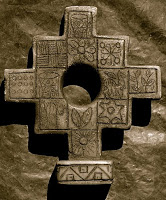
After Pikillaqta we headed to Tipón. We decided to take a taxi to the site because we were running short on time (it was Halloween day and I needed to be back to my hostel for promotional activities) and the site was 4 km uphill from the town. Though we did walk down, I was not prepared for the walk up. This site is a wonderful complex of hillside farming terraces, long stair cases, and water channels carved in bare stone. This place is one of the royal gardens built under the Inca Wiracocha. It is made up of twelve terraces surrounded by stone walls perfectly polished and huge terraces that shrink as they reach the top. There are also gorgeous ornamental waterfalls and the most complete and largest known hydraulic system made by the Incas, who combined aesthetics and technique to symbolize that water is clearly the main source of life. I did not make this connection until Machu Picchu when our guide explained the Inca religious symbol, sort of like the cross to Christianity. However, all the building and terracing patterns of the Inca typically follow this stepping pattern in a square with four edges. The whole time I thought it was just to follow an aesthetic plan, but it is actually following the shape of their religious symbol. They were also very aware off the movements of the sun and positioned windows and certain structures to show the passage of time, such as at equinoxes. The Inca were such an intelligent culture.
 Incan Cross
On our next day of archaeological splendor, we explored Ollantaytambo and Chinchero. Ollantaytambo is the furthest site from Cuzco that we visited and is actually the city that most tourists leave from for Machu Picchu. The town is beautiful and actually preserves Incan urban planning of streets, houses and waterways. All the modern layout is constructed on the foundations of the original remains, providing a vivid picture of an Incan urban setting, safeguarded by a breath-taking fortress with temples, hillside farming terraces and wall up the hillsides surrounding the town down at the bottom of the valley. Squares and streets follow a purely pre-Colombian architectural layout and style. The urban layout follows straight, narrow streets with houses inhabited to this day by direct descendants of the people who lived there from Inca times. Of course now there are newer buildings, too, built at the front of the town to cater to the tourism industry Ollantaytambo now relies upon. The site was built on top of two mountains, a strategic place that dominates the entire valley. It was a military, religious, administrative, and farming complex. The military structures are easy to identify on the southern hillside with structures for watch towers and archery windows. On the northern hillside are all the farming terraces with a distinct religious area where the natural rock has been carved into for an alter placing. Then there are the typical ingenious water channels and other buildings with could have been for military and administrative purposes. The Patakancha River divides the town in two parts: one where houses are found, and the other where the ceremonial buildings were erected around the Mañay Racay square. The Inca being their devious selves, siphoned off water from the river into a large and smaller channels running directly along the ceremonial area for more direct access. This would have been quite the strategic military headquarters.
After Ollantaytambo, we skipped Moray and went straight to Chinchero. Moray is approximately 13 km off the main road and taxis charge ridiculous prices to take you there to see the concentric farming terraces. They will also take you to Maras/Salineras to see the immense salt flats. Even tour agencies charge a ridiculous amount to go to these two locations. I still do not fully understand why. Aaron went to them the following day with a bargain price through a friend of a friend at a travel agency. I missed out due to an afternoon work schedule.
Chinchero is probably the least impressive of all the sites we went to, but it was still interesting as always. Especially when considering the landscape. While we were walking around the terraces, it was like a scene from the Lord of the Rings, or Middle-earth for those more familiar with J.R.R. Tolkien´s fantasy land. It is in the superb landscape of the Vilcanota Mountains, the snow-capped Chicón and Waquay Wilka. Green, overgrown, a river valley stream, and no people or modern buildings in sight. The beginning section of the ruins are colonial buildings erected in the foundations of the originals and then a church was built on the edge of the hill on the original Inca structures. The remains were part of the Inca Tupac Yupanqui´s royal estate. It was a farming center, hence there were lots of terraces, some of which are still in use today. Though the remains of Inca Tupac Yupanqui´s palace; the colonial church, built on Incan foundations; and the perfect hillside farming terraces were a sight. We found some large limestone outcrops where stones were clearly quarried from and other features such as chairs have been carved into, as the coolest part. There has been a fair amount of restoration to the site. You can see several layers where slightly different styles of rock building have been used in the walls. Some sections even have a year marker denoting the restoration date. I mostly saw 200, 2003, and 2007 on the newest-looking sections. However, there are areas where the terraces have neither been kept up nor restored. I thought it was a beautiful contrast to see the like-new walls, the tumbling down ruins, and the oxidation-stained church structures all juxtaposed together. Chinchero marked the end of are archaeological tour, except, of course, Machu Picchu!
Part Three: The moment you have all been waiting for…a detailed account of our four day/three night jungle biking, Inca trail to Machu Picchu.
We were picked up from our hostel with five other tourists and driven to Abra Malaga, a town a little further into the mountains passed Ollantaytambo. Our first day was a downhill biking adventure. It was mostly on paved road, but we still had a few off-road opportunities. We rode 45 km in total, starting at an altitude of 4,350 m.a.s.l. (meters above sea level) and ended just before the town of Santa Maria at 1,400 m.a.s.l. In case your math is slow, we traveled 45 km going down 3,000 meters. It was a good time. We stopped about halfway at a great overlook to eat lunch. We were basically riding down the front side of a mountain into the valley below. Our guide let us go as fast as we wanted! Toward the end of the route, there were almost ten or so sections where water just drains across the road down the valley. These were always fun to speed across, except they never failed to spray water up and drench us. We did not ride all the way to Santa Maria because the road construction becomes to difficult to maneuver past the village we stopped in. It is a bore to think that we were mostly on a road the whole time, except our guide told us that before there was a road, almost every tour ended with a broken bone or two or some other injury due to the steep and unpredictable terrain. A lot of fun, but I would not be as excited if I knew the first day of four I would need to be rescued away to receive a cast or stitches. However, the road is not paved for the entire duration of our route. The last twenty minutes are along a single lane, dirt road that is ripped up in most places. There was the occasional exhilarating moment when opposing traffic met the exact spot you were riding at while trying to turn hairpins in the road. 🙂 And Peruvians are the most behaved and most excellent drivers too. It is almost like watching Frogger… We ended with no injuries though. The agency provides mountain bikes with mostly reliable brakes, dirt bike helmets with front guards, elbow and knee pads, and bright florescent rain jackets. We were driven the rest of the way to Santa Maria where we stayed for the night.
That first day our group consisted of our main guide, Abeladra; two assistant guides who left after that first day; three Argentinians (one guy and two girls), whose names I never caught except the youngest girl, Paola; and two guys from Spain, Jose and Nacho. The three Argentinians were only doing a three day tour and thus left our group after that first day to join the group one day ahead of us. We did see them again in Aguas Calientes as they were waiting for their train to arrive and take them back towards Cuzco. Jose and Ignacio were only on a short trip to Peru, mostly just to see Machu Picchu. They were with us the whole tour.
On our second leg of the journey, we started our first of two days of trekking. Our small group of five started an uphill portion and stopped to take a rest at this place called Monkey House. Apparently only males live there, but there was an elderly lady there selling food. They have a monkey leashed to a tree and two giant guinea pigs. The monkey apparently suffers from machismo and females literally cannot go near it. The guy warned me about this just before the monkey freaked out and tried to run at me (luckily he was leashed). Then Aaron just walks up and it sits on his leg. Stupid machismo! Anyways, the guy told us about the local plants, fruits, and animals. We got to try cocoa beans in honey, very tasty. The he told us about the plant achiote, which has seeds inside that are used for dying things red. He painted each of our faces with a symbolic Inca design. I had a crown thing on my forehead with represented the queen, Pachamama, water, the serpent (one of the three sacred animals), and fertility. I think that my design was one of the more complex ones. Though I was the only female in the group. Aaron had lines down from his eyes that made me think of Gene Simmons pre- black and white paint. Then the guy explained moves and dances that would have been performed by the Inca. They dressed us up in traditional Andean clothes. Nacho and I were dressed as females. Poor Nacho. As we continued trekking, we were walking along an old Inca trail. Which was quite easy to discern as it involved a million stairs… We were walking through mountains, valleys, rivers, and crossing small villages, coca plantations, coffee and other fruit plantations. There were great views and spectacular scenery. We stopped for lunch in a little town and had fresh guacamole! and took short siestas (naps) in hammocks. It was a long day. We started at 1,250 m.a.s.l., went up into the mountain, then came back down to end at 1,500 m.a.s.l., for a total of about 13 km of walking for the day. We ended the long day down by the Rio Urubamba at the hot springs to relax our tired joints and wash the grime from our bodies. It was actually too warm for me, so I made a couple visits to the freezing freshwater “showers” to cool off. That night we stayed in Santa Teresa. There we met two new companions to our group, Jean and Stina. They were doing the same three day tour as the three Argentinians, so they were driven to Santa Teresa from Santa Maria without the long day of trekking. Many tourists take advantage of the few club/bars in Santa Teresa to go out, but all of us were too exhausted and just went to bed. Plus we all had to think about the trekking on the following day.
Our new companions, Jean and Stina, were exchange students studying in Lima. Stina is from Denmark and Jean from France. Jean lived in Spain for three years and thus speaks Spanish (quite accomplished to be 20 years old and fluent in French, Spanish and English, with some understanding of German and Danish…), but Stina did not know Spanish. It was a sudden change when we all stopped speaking Spanish and mostly spoke English. I really liked them. It was especially nice to have two new people to chat with on the third day when Jose and Nacho left us in the morning.
On the third day, Jose and Nacho left us to go zip-lining. They got to skip out on three hours of walking for this. The rest of us set out walking. The first three hours were not particularly taxing, as it was mostly level and just along the river. However, it was on a loose rock path and without shade (of course the sun was out with a vengeance). We did stop and take a dip at a waterfall, though; that was a nice little break. By the time we met Jose and Nacho for lunch at the hydroelectric dam, the rest of us were quite sun exhausted. After a nice lunch and a NAP, we set off for Aguas Calientes. This second half of the day was also not particularly taxing. We actually had some shade! and we were mostly just following the passenger train tracks along the river. We stopped at a lovely river spot to cool off. We started seeing a lot of people during this portion. We walked all the way to Aguas Calientes just in time for it to start raining as we “strolled” into town hot, sweaty and tired. The day´s accomplishment was 1,500 m.a.s.l. to 2,000 m.a.s.l. and 6.5 km. This is when we saw the three Argentinians again, as we crawled into our hostel for the night. That evening we had supper, stocked up on food for the next day, and went to sleep.
At this point I have failed to mention how along our journey we continuously see the same people. On the very first day there was a second group of cyclists following just behind our group (our pace was faster). Then we saw them again the following day at the Monkey House, where we also met a third group. While trekking you continuously cross paths as you stop for breaks and they catch up, or the fact that we often dined at similar locations. The third day we especially frequented the same people as we met even more at the hot springs.
On our fourth and final day, we left the hostel at twenty past FOUR A.M. to walk the thirty minutes to the Machu Picchu entrance. There was a crowd of about fifty or so people waiting for it to open to begin the ascent. Walking up the stairs to Machu Picchu was the most exhausting part of our entire trip. You go from 2,000 m to 2,425 m.a.s.l. via uneven, stone stairs, straight up to the entrance. This is not a particularly easy feat. We all made it though. Aaron and our guide were the very first two people to arrive. I am proud to say that I was never passed the entire way except by an old man, until I made a toilet pit stop. I would say that I still beat half the group though. Our little tour group were the very first people admitted inside. We even beat the first bus of employees!
Our guide was brilliant, as he had us close our eyes and finish the walk into the park so that we all saw Machu Picchu at the same time as a sudden scene before us. And it was right at sun rise! It was so gorgeous. I cannot imagine going and not arriving for the breath-taking view at sunrise. He lead us around the fantastic ruins and told us the history and interesting facts about Inca culture. For example, I never realized that Machu Picchu was never discovered by the Spaniards due to its high and out of the way location. Therefore, when the U.S. explorer, Hiram Bingham, started excavations at the site in 1911, there was still a significant amount of artifacts, possessions, and idols to find there. The people left Machu Picchu because after the Spaniards started taking over, the Inca emperor went to Machu Picchu and gathered people to make a final standoff at the last Inca capital. Abeladra, our guide, gave a fantastic tour. He knew a lot of information and I think he may have even gone beyond his normal tour for us as we skipped things due to lack of time rather than lack of things to explain. He took us to one of the quarry sites and explained how they carved the stones. He explained the Inca cross, bestowing a whole architectural revelation on me for all the previous sites Aaron and I viewed. He told us about special locations with windows, protruding rocks, or other structures, they play particular roles in revealing solstices, equinoxes, or other significant times of day/season/year by casting shadows or shapes in certain patterns or in certain locations. He told us about the theories behind the uses of Machu Picchu, detailing how the most accepted description is a farming, administrative and worship center. Hiram Bingham found an equal ratio of male to female skeletons buried on site, so the original description of a sacrificial virgin site is not well supported. Also, there is an ingenious spot, like a pulpit, where the acoustics are perfect for amplifying sound from that spot to the grounds below, making it an ideal spot for leaders to give speeches. It is also amazing how the Inca used in situ rocks and formations to built structures around. There is a jutting out rock used as a sun and solstice dial. There is a rock left naturally which closely resembles the mountain containing Machu Picchu with the two adjoining peaks of Huayna Picchu. There is a rock near the Huayna Picchu entrance which mirrors the mountain range further away down the valley. Then there is a small formation resembling the wings and body of a falcon. The falcon (one of the three significant animal figures) represented the messenger to the afterlife. This room had one entrance at the head of the bird. Then you pass between the wings into the stomach where the sacrificial and ritual areas were. Then you exit out of the anus to the small walkway out of the sacred room. There was also an interesting fact that there used to be a natural monolith in the center of the court opening, but it was cut down and moved so the queen of Spain could land her helicopter there. Then years later it was moved again and completely destroyed so the president of Peru could arrive by helicopter and give a speech. It is a wee bit disgusting that such things are (or were) allowed. Machu Picchu is now an UNESCO World Heritage Site and a protected park. There is so much information that I know I am forgetting some small bits of knowledge that I would love to relay but cannot remember.
After our tour, Abeladra said goodbye. We had to go outside the entrance to eat lunch and use the toilets before our 10 A.M. Huayna Picchu entrance time. By this time the sun was in full blaze, bearing down on us. The site was also beginning to become overrun by tour groups. Each day only 2,500 people are allowed into Machu Picchu and only 400 are allowed on Huayna Picchu (200 at 8 A.M. and 200 at 10 A.M.). It is about 40 minutes trek up to the top of Huayna Picchu. I went with Aaron and Jean (Stina had had enough and took the bus back to Aguas Calientes and we could not find the two Spanish guys). After the previous three days and the trek just up to Machu Picchu, my body was exhausted and repelled any notion for more physical activity. Thus I only went to the top of Huayna Picchu and did not do the whole 2.5 hour circuit around that peak. Huayna Picchu is the side peak overlooking Machu Picchu that all the famous photographs are taken from. Well worth the effort and the vantage point. At the time, though, all I could think about was the fact that I still had to walk back down all the stairs and then to Aguas Calientes. In the end I really felt like I accomplished something and had earned my visit to Machu Picchu after all that trekking. All the build-up of Cuzco and the archaeological sites was worth the final victory to see Machu Picchu. It really deserves its “Wonder of the World” title.
We all worked our separate ways back to Aguas Calientes and waited until our train that evening. I took a shower when they sent me to the bathroom to change and did not realize that I was supposed to have paid for that privilege. Oops. The water was freezing and I did not even have soap, so I cannot say that I gained much from it. After putting clean clothes on, we lounged on the couches and watched the television. The roles had changed from the mere 24 hours prior when we walked into the hostel exhausted from trekking and saw the clean and relaxed faces of the Argentinians the day before. When our train time finally came, we went down to the station and awaited our departure. We were on the “expedition” train, which was pretty nice. We had our own seat and a good sized table in front of us. We even got a little snack, though I did not like it. When we arrived in Ollantaytambo, a man with our names on a paper met us at the station and led us, along with 30 other tourists, to a really nice charter bus to take us back to Cuzco. Once back we said our goodbyes to our new friends and wandered back to our hostels to crawl into bed and drop easily into sleep from our long trip. It was an amazing adventure! And at an unbelievable price. $170 U.S. for being picked up at our hostel and driven two hours, then given bike and gear, three nights lodging, four days worth of meals, entrance to Machu Picchu and Huayna Picchu, the train from Aguas Calientes to Ollantaytambo, a bus from Ollantaytambo to Cuzco, and topped off with a really cool guide. I do not think such a deal can be beat.
Alright, that is the end of our tourism escapade. Next installment will be about life in Cuzco. Until then,

A Peruvian experience

Wow! It has been an extremely long time since I have blogged (basically an entire month, oops!). I apologize for the upcoming length. 🙂 We are in Peru and have covered a lot of ground in the last month. With the onset of our fourth month traveling, we are becoming the experienced travelers giving advice to newcomers. The roles begin to change. This is especially true for us because we have so much time that we actually get to stop and enjoy things rather than breeze through. Well, without further ado, our Peruvian experiences thus far…
Tumbes
We hopped on the bus in Guayaquil and headed for Màncora. In the middle of this trip we were crossing the Ecuador/Peru border. This can actually be an atrocious process. Since crossing, I have heard several horror stories about people crossing that border. These range from people getting scammed in taxis for absurd exchange rates (even the police are in on this one), taxis in cahoots with thieves who come up to the vehicles with guns or knives, and even more scary, whole buses getting robbed by people entering the bus with weapons or stealing the stored luggage below. The danger is amplified by the fact that there are two border customs, one for Ecuador and one for Peru. They should mark the actual border between the two countries except they are about 300 meters apart. This middle area is sort of a lawless area where neither country necessarily has jurisdiction. These customs buildings are not exactly secure either. In Ecuador you just wait outside and walk up to a window. During the daytime, these areas can be packed with tons of people, making it a prime pick pocket area. When you get to Peru, you immediately want to exchange some money, but you have to be extremely careful with that as well. Fraudulent money is an everyday occurrence here. Not even ATMs are exempt from spitting out fake bills. ATMs also have a tendency to give hundred and fifty soles (it is approximately 37 US cents to one Peruvian Nuevo Sol), which you then have to immediately go wait in a bank to have exchanged for tens and twenties since small shops tend not to have change and you just do not want to be carrying big bills on your person. Well, horror stories aside, Aaron and I passed through Tumbes at 1:00 AM when there was literally no one else around and crossed the border unscathed and completely ignorant to the potential danger we could have been in. Step one into Peru was a success.

Máncora
Our first destination was Máncora. We arrived at some awfully early time with one other guy, Colin. After being shown our rooms, we slept for a long time. Máncora is basically a tourist beach stop for lazing all day in the sun. We were there about one week at the Loki hostel (aka party hostel). It was basically a resort complex, providing all your needs. You would literally never need to leave. Not that Máncora is large. It is basically a long town built up along the beach with no further development or growth inland. Easily explorable in a single afternoon. But that is why these mini resorts are there, entertaining your free time with a pool, ping pong table, pool table, and nightly activities. You can go surfing, though it is not great and the water is on the colder side. Truly it is like a time warp though. For how few activities we partook outside the hostel, we spent almost a whole week there. One activity which we excelled was socializing. But what else are you supposed to do in a beach town with nothing else going on? We met some wonderful people. To name a few, Ryan, Hannah and Sarah from England; Colin from Ireland; Simon and Greg from France; Helen from Sweden; Rina from Israel; and many more. It was a great time, but I think we grew bored quite quickly as we had just finished with a month at the beach in Bahía de Caraquez. There is one major event from Máncora that I will continue to be bitter about. I had my camera stolen during karaoke night. My camera was probably the sole item that I cared for most of my possessions on this trip. It was a yellow, Olympus Tough Series. This means it was me-proof (waterproof to ten feet, drop proof to 6 feet, no external lens to damage). It served me well and I will miss it. Alas, a camera is replaceable. But I did not budget for a new one of that caliber and I will never be able to replace the two weeks of photos that were lost on the memory card. This was perfect timing (and I really mean horrible timing) as I literally just replaced my memory cards due to an internet cafe disk-corruption problem. Grr. Also, we had the opportunity to share in a Roshhashanna supper with the quite large group of Israelis who were staying at Loki. It was really nice, actually. The Loki chef cooked the meal and we had a fancy table set up for us. The table was really aesthetically pleasing but I no longer have those pictures… Anyways, we eventually decided it was time to leave and hopped on a night bus heading towards Huaraz.

Huaraz
Our first stop was actually Chimbote. However, after some last minute internet shopping for hostels, I discovered that Chimbote is actually not a pleasant place at all. Therefore, we hopped off one bus and then right back onto another for Huaraz. This involved about 20 hours off bus time. Not exactly the ideal travel length. However, we met a really nice guy from Germany who accompanied that time with us. He is a geologist, just finishing his Master´s degree and taking a short break before beginning work with the same company. He already booked at a different hostel than I wanted to stay in and so we parted ways after catching a meal when we arrived in Huaraz. As he walked away I realized that after our 20 odd hours together, neither Aaron nor I ever caught his name. I am glad we stayed with my accommodation choice because it was fantastic! Anyone ever going to Huaraz, Peru, should stay at Caroline Lodging. It is hands down one of the best places we have stayed yet. We called them and they picked us up from the bus terminal, as well as dropped us off a few days later, completely free of charge. The rooms were nice and the prices cheap. The kitchen area had a television and they had an awesome movie room on the top floor. There were great views of the surrounding mountains from the roof. Caroline Lodging is a family run operation, and they take people on various trekking trips. Since they take people out on the single or multiple day treks, they also have all the knowledge and maps to send people off on their own as well. It is hard to describe, but it was just a really nice place.

Huaraz is basically at the base of the Cordillera Blanca, an endless and mesmerizing mountain range. This also means it is at a higher elevation. With sickness of Latacunga still fairly fresh in our minds, we decided to take it easy in Huaraz. Our first evening we met some guys heading on a day hike for the following morning and joined them. They were Anael from France, Vincent from Holland, and Barnt from Canada. We trekked up to Lake Churup, elevation 4,450 meters. We took a group van to the town of Llupe then walked 1.5 hours to Pitec, the base camp area of the Parque Nacional Huascaran. From there we started the three hour trek, all mostly up a steep grade, to Lake Churup. Near the top there is a waterfall area where water just runs down the steep rocks. Due to the steepness there, there are actually metal chains bolted into the rocks to help you climb up. At the top, the lake is gorgeous. The water is so blue and mostly clear. On the other side from where we arrived there was still snow on the continuing upward peak. That side is actively eroding down into the lake. We stopped by the lake to rest and eat some food. Several people decided to jump into the lake (prompted by Aaron´s strange need to jump into every lake we hike to). As the previous day there was literally snow and ice on the water, I can tell you that the water was extremely cold. The views and trek were fantastic, but possibly not the best hike when adjusting to altitude. You really are just going straight uphill the entire way. One particular memorable moment was that as we started up the trek, we crossed paths with the two French guys from Máncora on their way down. They had left Máncora two days before us and, I thought, heading for the jungle.

After the hike I was suffering from a headache that lasted until the next morning. I do not remember ever having altitude problems like this before. We decided to do an easy day and Aaron, Vincent, and I went to Willkawain to see two archeological sites (Instituto Nacional de Cultura-Ancash: Monumento Arqueológico Willkawain). The first site had a small museum of the history and discovery as well as a few remaining buildings. This was a site dedicated to the dead for burials during the Wari culture empire, 700 – 1000 C.E. It was interesting. A dog joined our group, eager to see if we would share our lunches. At one point in the temple, I was peering into this small, dark little passageway when suddenly the dog came out of the dark at me. This startled me greatly, much to Vincent´s and Aaron´s delight. We also went to the second ruins area which was actually more impressive. We kept walking up the road beyond the ruins for quite some time before eventually turning back for Willkawain. We walked through a labor strike that morning. There were tons of people just sitting around a plaza chatting and eating ice cream. It looked like a nice time, though the streets were quite crowded. That evening, Vincent, Aaron, and I went to a pub that actually brews there own beer. It was nice to have an actually good tasting beer. The next days we actually left. There is so much trekking in Huaraz that you could spend months there, but we are not really gear prepared or financially prepared to outfit such adventures. Not getting in more treks in Huaraz just leaves something to return to Peru for. Plus, there are supposed to be more accessible treks in the Arequipa area in southern Peru. I loved Caroline Lodging and the people we met there were all fantastic. It was really nice being surrounded by outdoor enthusiasts for a while.

Lima
From Huaraz we headed back toward the coast and further south to Lima! Lima was wonderful. We stayed in the tourist Miraflores district. First we stayed at Cirque Hostel then moved to Dragonfly Hostel to be closer to Park Kennedy where everything is located. In Miraflores, we walked along the bluffs at the coast. The whole distance has been designed into an assortment of parks and recreation areas up on the bluffs and down at the beach level. This is really lovely and brilliant for aesthetics. We went just passed the Larcomar, which is a large shopping and restaurant complex built into the bluffs down to the beach. We went to Park Kennedy and Ovalo de Miraflores, the very center of the restaurant, bar and shopping areas. I replaced my camera. 😦 I am still sad about the loss. I purchased a Canon PowerShot. It is nice so far, though not waterproof. It is small, though, which my Olympus was a little bulky. We also wondered around the Inca markets and in general walked around exploring the streets. Miraflores is a fairly ritzy district.

On one day we went to Huaca Pucllana, an archaeological site of a 200 BCE Incan temple to the water goddess. Today there is 6 hectares remaining/exposed of a believed 20 hectares. The ruins are a giant pyramid structure made for sacrifices, feast, and other offerings. I was really impressed that is was only discovered about 30 years ago. It was disintegrating into a mound that was being used as a dirt bike course! Now excavation and restoration is underway. They are digging down to the last remaining intact layer and then restoring the original bricks. They predict that it will take an additional 30 years to complete restoration. They have also begun to purchase the surrounding land to expand the excavation. They have discovered several mummy graves in the structure where the burials where simply built over. It is difficult to say how many internal layers have been built up and over. As excavation is still underway, they are still discovering graves and possibly ones that were not ransacked and desecrated by the later people ruling the area. That night was a soccer match in Lima for Peru versus Paraguay. It was crazy at Kennedy Park that evening. People were swarming the restaurants and bars to watch the live match. I cannot even imagine the mayhem at the stadium. We watched the match at our hostel (Dragonfly Hostel) with several people who work there and two other women staying there. Peru won. I suspect that mayhem became chaos at Kennedy Park. An Argentinian man staying at the hostel was playing in a band that evening, so we all went to check it out. We went to the Barranco district which is where all the clubs are. The music was great. There were four or five band arrangements all playing blues rock music. Our hostel people were able to get us in for free which was really nice.

The next day we went to the historic center of Lima via the light rail system. We came out at the Civic Center and grabbed lunch (Aaron found his first Subway and was really excited). We were sitting outside on some steps eating when Anael from Huaraz suddenly walked up. An underlying theme of this trip has been how frequently we run into the same people or connections to the same people. We saw the Plaza Francia Recolete with a really cute vividly blue church. Then we went to the Plaza San Martin and the Plaza de Armas. We walked through the central market which was a plethora of shops, vendors and people crowded everywhere. This was an extremely busy area. There are also several government buildings there where guards were at the really with batons and crowd control shields like a riot could break out at any moment. Eventually we worked our way over the the Convento San Francisco to tour the convent turned museum and the catacombs below. There are some 25,000 bodies in the crypts and not all of them have been uncovered. In the open pits, the bones have been sorted by bone type. It is a little strange passing crypts with thousands of femurs, skulls, tibias and more just arranged in a sort of morbid display for our viewing pleasure. Apart from the catacombs, my favorite part of the tour was the library! It is a completely wood inlaid room with two spiral staircases leading to a balcony style second floor with more books. There are big wooden reading tables and windows lining the room (they had no electricity back in the day). The best part is all the original, hand written, leather bound books still in place lining the floor to ceiling shelves. It was a dream library. I wish that I could have actually been allowed to wander around the room and touch the books. It was fantastic! That evening, we met up with the French guys, Greg and Simon, for a Lima pub crawl. The pub crawl was fun and we got a really good deal, but I cannot say that I would do it again. Besides our group of four and then four people associated with the tour, only one other guy, Boris, showed up. It was a good deal though. I found out that Lima clubs charge anywhere from 50 to 100 soles ENTRANCE! That is ridiculous! I would never go out if that was the cost. With our tour we had free entrance. As for the rest, it was fun but not exactly what I had in mind for a pub crawl. After a long night, we relaxed the next day and planned our departure for the following morning. That evening I met up with Irish Colin to retrieve my towel that he thankfully rescued for me from Loki in Máncora. He did not come out to the pub crawl because he actually went to the Peru-Paraguay soccer match that previous evening. I saw the craziness of Kennedy Park that night, I cannot imagine actually being at the game.

Ica-Huacachina
The next day we left Lima for Paracas, however our bus driver never announced when we were supposed to get off so we missed Paracas and stopped in Ica instead. This is always a potential problem when taking buses that stop in every little town to pick up and drop off passengers. Ica is the actual city but we went on to Huacachina. Huacachina is a tiny little three street place built literally just for tourists coming for dune buggy tours. There is nothing there but hostels (we stayed at Carolas del Sur), restaurants and shops. Haucachina is surrounded by 300 foot sand dunes that go on for miles. That same afternoon I was able to catch a dune buggy tour (Aaron opted out). I was strapped down into this twelve person buggy and then we headed off at high speed over the dunes. The ride alone and the views are worth the tour, but then there is the added excitement of sand boarding down the dunes. They give everyone a board with foot strappings to board down the dunes like snow boarding. This was so much fun! I have never snow boarded before but others on the tour thought I did really well. Though I cannot say that the bruises on my bottom agreed. Sand is not nearly as soft as snow. I was, however, a natural at riding down on my stomach. You just keep your legs up and you can shoot down the dunes so fast. It was scary and exhilarating at the same time. I also got to catch a gorgeous sunset over the dunes. So much fun! The next morning we left for Nazca!

Nazca
Upon arriving in Nazca we were able to book a night bus that same evening for Cuzco, store our packs at the bus terminal, grabbed some lunch and headed out for a tour of the Nazca Lines all in about two hours time. Due to our penny pinching, we decided to forgo the flight over the lines and went on a car tour instead. The Nazca Lines are a series of ancient geoglyphs believed to have been created by the Nazca culture during 400 to 650 CE. There are mostly geometrical lines and shapes thought to be potentially related to a farming calendar. At certain points on the lines, however, there are also many zoomorphic designs such as a monkey, lizard, spider, birds, sharks, and a human figure. First we went to the natural lookout on a hillside where we saw tons of geometrical lines and shapes. Then we went to a constructed lookout and saw the Hands and Tree. It is not actually known who created the lines or why they created them. The association with the Nazca culture is due to the discovery of mummy burial sites among the lines. Also astonishing is how well they have been preserved. The dry climate and the isolation of the lines are the major factors in their preservation. But they have barely been altered even during extreme weather flukes. After checking out the lines, we went to the home (now a museum) of Maria Reiche, the German archaeologist who spent most of her life researching the lines starting in the early 1940´s. She dedicated a lot of time and effort into the preservation of these lines, thus putting them at their tourist attraction status. I was really intrigued when our guide said that everyone in the area thought she was just some crazy, white women wandering around the desert until tourists started coming to see the lines. Now they have a whole tourist infrastructure surrounding these lines. This site was officially made an UNESCO World Heritage Site in 1995 and Maria died in Lima in 1998. What a career.

That evening we left for Cuzco, which is where we currently are located. This entry is long enough however, so I will update you on Cuzco at another time. I will try to not wait a month this time. 🙂 Spoiler for the brilliance of Cuzco includes the gorgeous historic district, museums, churches, archaeological sites, and yes, Machu Picchu! Until then,

Debilitating sickness and marathon bus rides provide me with far too much idle time

I realize that I have not been giving my entries titles, but these random and tangential thoughts can only be appropriately named,

“Debilitating sickness and marathon bus rides provide me with far too much idle time.”

This is a somewhat lengthy title, but my other blog entries can attest to my long-winded prose. 🙂

We missed our bus last Monday because we had the wrong departure time. We ended up leaving that evening instead. However, given lemons I made lemonade and was able to use that time to put some pictures into a Facebook album. We arrived in Quito early Tuesday morning to a much colder temperature than we left only a month before. It is good that we are heading south because the winter season is setting in. We stayed at the same hostel, Vibes, but the “vibes” 😉 were quite different than last time. Plus it was a Tuesday and those are pretty quiet. We left the next morning for Latacunga where I wanted to get one last hike in Ecuador. We stayed at the Hostal Tiana, which was really nice though even colder than Quito. The next morning we caught a bus to Chugchilàn, the middle village along the Quilotoa loop. This loop is a haphazard mountain road (or nearby trekking path) around Quilotoa Lake, a volcano caldera. It is supposed to be absolutely breathtaking and I wanted to see it before we left. The only problem is that we essentially went from sea level to over 3,000 meters in less than 24 hours. The result, we both gained an acute case of altitude sickness. So, though I would love to tell you all about the amazing hikes along the Quilotoa loop, all I can really tell you is that I had a really comfortable bed at the Cloud Forest hostel, the staff were really nice, and it was cold. Otherwise, I really did not accomplish much else. Someone suggested that we must have had a stomach bug, but now back at sea level I feel almost as good as new. Yes, we determined that staying at altitude was not serving in our best interests, so we are now in Guayaquil waiting at the terminal for our bus tonight to Màncora, Peru. Despite everything, it was nice to have one last trip into the mountain scenery. So now in Guayaquil, where our trip began only two and one half months ago, the Ecuadorian chapter comes to a close. One country down and seven to go.

Ok, now onto the random thoughts that led me to title this entry. Mostly these thoughts are on my observations of the Quechua people that we saw in the Quilotoa area. Quechuas are the native ethnic people of Ecuador, and Quechua is their primary language. I have mostly encountered them as individuals or in small groups and almost always as them being vendors of some product. They always seemed so quiet and reserved. This trip, however, was my first opportunity to observe them on thier own turf. Aaron and I took one of only two daily buses which traverses the loop. This gave me plenty of time to people watch. The men are difficult to discern from other Ecuadorian men (Though I cannot say that I have seen any of them in the male Ecuadorian uniform. That is, with pants zipper down, shirt pulled up over the belly, and a steady stream of hissing noises at passing women), but the women have a very distinct apparel that defines them. It is a very practical dress and yet at the same time obscure. The combination of clothing choices seems bizarre, and yet they have added their own individuality and femininity to the style as an expression of their culture. The typical attire is a velvet skirt of approximately knee length, stockings or tall socks, leather shoes with a slight heal, hair gathered at the back of the neck with the ends loose and often with a knitted cover wrapped around the length of the hair, and a felt, 1800`s German lederhosen-style or yodeling hat, frequently with a lone peacock feather stuck into the band. On top there is a wider variety, but a majority wear a cardigan-type sweater and/or a knitted blanket over the shoulders with a fabric sash wrap which serves to carry possessions, children, or other large bundles against their backs. I also saw a wide range of necklaces, bracelets, and earrings. I saw girls as young as ten up to grandmotherly women adorned in this way. This combination inspired certain assumptions about their way of life, but then they prove you incorrect. For example, I got the impression that they live somewhat isolated from the mainstream of cities and technology, but then a women will pull out a cell phone and start chatting away and you will still see signs for internet cafes in the villages. Also, as our bus was getting ready to pull away from the terminal and everyone was hurrying to file into their seats, a small crew of food vendors suddenly showed up and everyone started buying food like this was a normal way to grab a meal. When we left Chugchilàn yesterday the same thing happened. These people have perfected the way to buy good food, cheaply, by purchasing from vendors. This gave me the impression that they are used to eating all hand-prepared foods, but then you watch the intensity with which all ages will produce the packaged treats I would associate with a children´s snack bar. I saw ice cream bars, plastic Squeeze juice bottles, suckers, and more. Another assumption is that these people are isolated from each other, living on individual farms spread out over the area. This is true, these people have mastered some pretty astounding vertical agricultural feats, but strangers they are not. While at the terminal I thought I would see the interactions of strangers, but instead witnessed the eager atmosphere of old friends meeting to exchange news and gossip after a day at the market. They were incredibly animated and happy. The women have these brilliant smiles that flash across their faces in an instant like that is the resting position of their mouths. Combined with their attire, I would quite enamored by these people. While in route to Chugchilàn, there was a steady stream of people getting on and off as their farm or village came into sight. There was a constant shuffling around of seats as well. Something I thought interesting is that when other tourists finally got onto the bus (Aaron and I were the only ones until the last hour or so of the ride), people seemed to shuffle as far from the tourists as possible. People combined seats and shifted so that they would not have to share a double seat with one of the hikers. Maybe they are just wary of these strangers that constantly come into their villages and traipse around. I am not really sure what to make of this. Especially when you contrast this behavior with the boldness of the children. These children have no fear of foreigners to the extent that they blatantly ignore personal space. For example, Friday a large group of children stayed at our hostel. There had been a children´s festival in Sigchos, a neighboring village, and some where clearly staying in the area. While Aaron and I were packing yesterday some of these children discovered a gap in the curtain to our room and as many as could squeeze into the space began staring at us and chattering away as though we were zoo animals. I was quite taken aback by this. More so after we discovered that they had latched the bolt lock on the outside of our door and we could not get out. Despite at least five people within hearing and eye sight, it took several minutes of yelling out our window before someone finally let us out. Though I have actually noticed this boldness all throughout Ecuador. When I am working at a computer in an internet cafe, children had frequently taken to blatantly standing at my side and watching my activities. Oh the intriguing behaviors we humans possess.

On a final note, we are saying “goodbye” to Ecuador. The last two and one half months have been amazing. I have truly come to cherish this country. With only one year to travel, we cannot possible spend two months in each, and yet Ecuador is one of the smallest countries we will be visiting. However, I am glad we took our time with this first one. We have refreshed our Spanish, gained our travel legs, and now have a better plan of action for tackling the next seven countries. Plus, it is probably smarted to spend longer in the cheaper countries. I will miss Ecuador and all its idiosyncrasies. Chapter one completed on our South American Adventure.

Fin de Bahía

Our time in Bahía is finally coming to a close. We have been here a month, which is half the time we have been traveling. Sometimes I feel like I have been traveling for a year already, or I forget I am traveling at all and think I have been in Bahía for several months. Other times I think how quickly everything is happening and cannot believe only two months have passed. I realize that I frequently mention the strangeness of the passage of time. I think that has to do with my time at Cornell College. When each class is one month, you really begin to compare time to that. For example, I could have completed two classes in the time frame that I have been traveling. Another aspect of thinking this way is that I understand how much activity can go into just one week. A month is a lot of time. Quite a bit can happen is four short weeks. Yet that time can also sail past before you even realize it is here. I suppose what I am getting at is how Cornell has made me more aware of time. That said, Aaron and I both feel the time is right to move on. We leave tomorrow on the morning bus to Quito. We have a few last places to stop in Ecuador but mostly we are heading straight for Peru!

The last two weeks have been exciting. The Monday morning after my last blog post, four guys showed up at 5 AM. These boys are fresh high school graduates from California and are taking a year off to travel like Aaron and myself. Though their travels are quite a bit more extensive than ours. In the next year, they will be visiting Ecuador, Peru, Australia, New Zealand, and the Philippines. Quite the journey. Well, they arrived with a bang. First waking us up at 5 AM, then one of them (Sam Hayman) was suffering from Cholera-type symptoms. He was in bed on an IV for four days, completely unable to eat or drink because nothing would stay in. They are staying in Margarita´s house around the corner from the Planet Drum house so we hardly saw them that first week except at meals and for work. Like good friends, the other boys spent all their time with Hayman so he had company. Between his sickness and them staying in the other house, our integration started out slowly. However, I can now say that they are a really good group of boys. First there is Hayman, the sick one (though he made a full recovery). He does not have an accent, but he grew up in Australia until he was like 10 years old. He is probably the most amiable person I have ever met. On the boys turn to cook, Alicia and I went to keep him company. Despite becoming incredibly sick after his first meal in Ecuador, hooked up to an IV, and receiving multiple shots a day, he was in a great mood and instantly warmed up to Alicia and me. I think I learned his whole life story during that first conversation. He is admitted into UC-Boulder but possibly switching to UC-Santa Cruz. What I like most about him is that he has goals for himself during this next year, such as learning to cook and growing a Gandolf beard. This kid is very lovably zany. Then there is Sam Sweet, the more boisterous one in the group and incredibly sweet (just like his name says). He does not know Spanish but keeps a journal with him to write down various words. I helped him learn the conjugations for the present tense verbs. Also, he has an incredible ability to lose things! What I like best about him is that he instantly wants to befriend everyone. Even Sol warmed up to him instantly. They are really cute together. This trait is perfect for him because he is a tall and has pale skin and very blond hair. Hence, he is like a beacon for attraction in a country with none of those characteristics (especially with the lack of Spanish). But instead of trying to minimize these appeals, he takes them in stride to brighten every situation. He is heading to UC-Boulder next fall. Next there is Miles, the tall, dark (he is half Philippine) and mysterious one. Miles is difficult to describe. He is very personable. I suspect that he makes friends easily but he only makes close friends with a few people. He is heading to the U of British Colombia because of the skiing possibilities and wants to go into a field where he can make a major contribution to society. Somehow everything he says and does makes Aaron break out into peals of teary-eyed laughter. And he has the nickname The Specialist, for a story I will not repeat here but which left Aaron gasping for breath from laughing. Last, but not least, is Spencer, the responsible and pensive one. At first I thought he was shy, but then I realized that he is actually an introspective observer, completely aware of his surroundings so never fully losing focus into only one activity. Due to this, I do not know him on an extremely personal level, but I can tell that he is probably modestly hiding some really cool things about himself. What I do know is that he has an ipod filled only with rap, he is well collected, and he is pretty dedicated to soccer. I do not know what to say about these good-looking guys except that I am really glad to have met them.

Since Hayman was sick that first week, there were seven able-bodied workers. Our activities changed again from the first two weeks. We still had out obligatory time at the green house, but instead of cutting and collecting bottles, we set about transplanting seedlings into bottles. I truly do not know how many bottles we filled and planted, but it was enough that we added nine corrals with space for three more, converted our entire sitting area into a corral, and filled up most of the front corrals. We also spent one day filling gallon milk containers and carrying them up a hill to water around 700 trees. This was an exhausting day. They have these bike tire tubes with two jugs on each tube, then each tree receives half a gallon of water. This requires a constant motion of hiking up paths and then back down to drop off empty jugs for full jugs, as well as a person left behind to constantly fill more jugs. Then we also went twice to a new hillside to dig holes in preparation for the seedlings that we bottled. This week on Wednesday, we went to the Planet Drum forest area. With everyone saddled up in the back of a truck, it took about 45 minutes to the drop off point. Then we hiked up along a dirt road over a hill and back down the far side to where the preserved area begins. While there, each of us took a machete and we spent a few hours clearing an overgrown walk-way into a clear cut path for a vehicle. The goal for this land is to start getting some sustainable structures built to have people stay out there for prolonged time periods. Currently there is only a large platform, but soon they will have an outhouse area and maybe something for rain water collection, as well as the beginning stages of other buildings. I really like the work we have done here and I feel really good about the messages this program spreads into the surrounding community.

Aside from work, I still had my little schedule going on. Alicia and I stopped running during the second week, but I kept reading more books and spending time at the beach. I had a little trouble with downloading pictures, hence no photos on facebook yet, so I really cannot say when that will come about… Though I really am going to make an effort, eventually. 🙂 My cooking ventures have all gotten better. I successfully made corn bread and banana bread, as well as other foods. I will miss our plentiful meals here. Once we leave, I am sure I will got right back to cheaper and more simple options. Last weekend we stayed in Bahía. The four guys came prepared with beer pong supplies and we all hung out for what was almost the first time we really socialized. On last Sunday, all of us went to the cinema and watched Your Highness, which is hilarious! I also watched the newest Robin Hood with Franco, Sol and Margarita on Margarita´s computer at the house. On Thursday Alicia left to head for Paraguay. It still does not seem like four weeks went by already! This weekend the boys, Orlando, Ramón, Aaron, and I went out to La Gorda one last time. It was just as fun as last time. Though this time Ramón took us up to this area where Incan burials have been discovered. Also, I became aware of the fact that you can find Incan pottery shards just littered all over the beach. It is insane to think that this fragments are about 2,000 years old and still retain the decorative striations. Up in the hill you can find pots that are practically intact. It sort of makes me think of farmers finding arrow heads and other Native American artifacts in the U.S. The most memorable part of the trip, however, is the fact that I put my hand onto a cactus and had more than ten spines that still have some remaining fragment pieces festering in my palm. Also, I brilliantly fell into the fire and now have a gnarly burn on my right elbow. This morning a natural healer man happened to come by our camp and put this aloe salve on it for the pain, which did work. Now it is just an oozing, raw area that hurts to move too much. I will just have to be gimpy for a few days while it heals. I hope it does not interfere with travels.

Alright, I apologize that this entry seems so rushed, but I have been sitting in the Internet cafe for too long and I still need to get some packing done. Not to mention that it is almost 9 PM and I have not eaten since breakfast! So off I go. Until next time,

Bahía and Planet Drum

It is interesting how quickly I can fall into a routine and lose all sense of time. We arrived in Bahía two weeks ago but I can barely comprehend that all that time is gone already. It is also funny how I adapted into a new routine so effortlessly. I almost long for when I begin graduate school or a job so that I can ease myself into a familiar and comfortable routine. I suppose it should be reassuring to know steadfastly that I am bound to return to my schooling and not worry that this South American adventure will suck me into a different path. Though only 1.5 months into this year long venture may be too early to be making such exclamations… 🙂
Anyways, we arrived at the Planet Drum house on the evening of the 19th at the end of a group meal. We deposited our belongings into the room we were shown and then sat down to make our introductions. Clay is the Planet Drum coordinator in Bahía de Caraquez where we will be volunteering for a month (crazily half that time is already over!). Clay is from the U.S. but is married to an Ecuadorian, Bahía native, woman named Margarita. They have an adorable two and one half year old son, named Sol. Margarita also has another son, Franco, 14 years old. Clay and family live in the Planet Drum house as long as there are volunteers, but both have property of their own that they rent out. They also have plans to open up a hostel-type place. There were also two volunteers at the table. First, there was Annaliese, 21, about to start her fourth year of university in Washington. She was here all summer, for the most part alone, but with some other volunteers for lesser time periods than herself. Sadly, she actually just left last Thursday, to go back and get ready for school. I am incredibly grateful that she was here the first several days to orient me to Bahía and our volunteer work. Having been here for three months, she divulged the secrets of the market. Where to buy the best peanut butter, cheese and eggs; who gives the fairest prices on vegetables; the same for fruits, where to get salprieta (a peanut and spice mixture for eating with cooked maduros, or plantains); which bakery has whole grain rolls, sells whole grain flour, and also will sell yeast!; and where to buy the large water tanks. She directed me to a Mom and Pop specialty grocery store (for things like Nutella, hehe), a laundry mat, the best ice cream, and more. She also explained the workings of the Planet Drum house, how we organize group meals which we take turns cooking, and made introductions for our volunteering efforts. It is always nice to receive the inside scoop on a new place, especially when that place is in another country. After only five quick days, I was sad to see her leave. Annaliese is an incredibly intelligent, down-to-earth girl. I wish we had had more time to get to know each other. The other girl is Alicia, 25, from San Diego, California. She is still here and will be for almost the whole time that Aaron and I are here. Wonderfully, we adopted each other as activity mates. We have initiated runs or ab routines and lounging time at the beach. Running is not a highly participated in activity here in Ecuador, so we are only going on a short four mile loop across the bridge and back from Bahía to San Vicente. We even walk to and from the bridge to minimize the attention our strange behavior brings upon us. The bridge over the river is actually the longest in Ecuador and has a great little pedestrian and cycling path lane built in separated from the vehicles. Despite being only a short jog, it is nice to be physically active on a regular basis. And the beach time provides new color to my pasty skin tone and an enjoyable atmosphere to read. I have already finished six books since arriving and am well into the seventh. There is a bookshelf full of books located next to my bed. I am fully planning to take advantage of this access to books and read as many as possible over the next month! Back to the first train of thought, Alicia and I seem to get along quite well. She is a fresh set of ears to tell old stories. It is nice to feel an obligation to stay in a regular exercise pattern as well as another person to walk around with. She was a surf instructor back in the States, but is now planning to find a place to settle down in South America and teach English or Art. She has been traveling for almost two months down here all be herself. I think that is a courageous move. A side note on our activities here in Bahía, Aaron has taken up surfing lessons from a local here. He goes out almost everyday. I have not been out to watch, but it sounds as though he is making strong headway. Hopefully surfing is like riding a bicycle because I do not know when we will be near a beach next. I will try to snag some documentation of this venture.
The Planet Drum organization (http://www.planetdrum.org) started in the bay area of California with the late Peter Berg, who envisioned bioregions where everyone “attempts to harmonize in a sustainable way with the place where they live.” I just finished reading his book on these sustainability concepts. He passed away a couple months ago, but he used to come to Bahía with his wife once or twice a year to check on the projects here. In Bahía, a big part of the organization is to establish sustainable living in the community as well as mediate damages procured to the mountainsides after the 1999 flooding and earthquake disasters which resulted in a large landslide, building collapses, and many deaths. Planet Drum has been replanting these areas while incorporating the cooperation and involvement of the community to create a self-sustaining land use practices. They have also been working with local groups to raise awareness and implement other programs for forest restoration. In Bahía, there is a house for volunteers to live in while working here. It is provided very cheaply with Clay as the caretaker of sorts for the house and volunteer activities. There is one local Ecuadorian man, Orlando, who goes out with us everyday on our projects. He has been a major asset in the foundation´s ability to connect with the local community. Outside of Planet Drum, Orlando is actually involved with lots of programs related to these activities. Most notably, he helped (and helps) his friend, Ramón, a teacher at the local High School, create and establish a green house for the children to take a part in. Also, Ramón and Orlando are planning to establish an organic garden at the green house to open a restuarant in Bahía that will provide healthy food options, mostly vegetarian, and all organic. I know that Ramón is friends with a Peace Corps guy here who has established a soy milk and soy meat business in his campo, or small village. These men are really wonderful people and always try to get really involved with the volunteer people from Planet Drum and any other organizations in the area. Orlando is also helping me improve my Spanish by always correcting my errors and requiring me to speak accurately and with whole sentences. In return I am providing him with useful vocabulary and phrases in English, as well as proper pronunciations of the words. Though I am convinced that he actually actively studies English while I am not as diligent of a student.
On that first Friday evening that we arrived, everyone was eating supper. We sat down and joined them as they finished up. Then this guy Parker showed up. He was stationed at San Vicente with the PeaceCorps. A bunch of PeaceCorps people from this region of Ecuador were in Bahía that night to spend the weekend together. There were around ten or so, and they had all gone to supper. Having already eaten, Parker came to the Planet Drum house to see if Annaliese wanted to join the festivities. He ended up with all four of us volunteers in tow. We went to the house of Ricky, another PeaceCorps person who lives a few blocks from the Planet Drum house. They were all celebrating a reunion and gathering of fellow PeaceCorps people. It was interesting and fun to meet these people. What was most interesting to me was how they perceive PeaceCorps in Ecuador. Of the ten, only one felt that her presence had a significant positive impact to the community she is positioned in, and she has been there just over a year. The rest did not seem as solid in their prospects. Though it is clear that some of them are clearly being taken advantage of. For example, one stationed here in Bahía is working for the environmental agency but they are not interested in created programs nor are they interested in supporting him create his own program, so he has been reduced to an overqualified office assistant/errand boy. That is certainly discouraging. The attitude is that PeaceCorps wants these people to form their own projects without necessarily providing the means to establish a useful program, without enabling the lasting power for programs after the PeaceCorps member leaves, and, in my opinion, without making sure that the PC member´s time is being used most productively. It is to the point that one of the guys I met actually left that week after only seven months of wasted time when he could have been making a grander difference somewhere else. I know that this circumstance is not the same in all PeaceCorps locations, nor probably in all of Ecuador. In fact, I met a guy last weekend who is out in a small village where he helps make soy products, such as meat substitute and milk. Once the rainy season begins, be plans to start growing his own soy so he knows it is produced in an environmentally sustainable method and without pesticides and other chemicals. Though after the pessimism of the other people and stories I have heard from outside sources, I worry whether this soy business will have the foundation to last.
Back to that first Friday night, I was exhausted since Aaron and I had essentially just gotten off a nine hour bus ride from Quito. All four of us Planet Drum people retired early, but everyone else headed off in search of the beach bonfire party. Apparently it is a common weekend event to find the occassional bonfire extravaganza. The next day, seven of the PeaceCorps people, us four Planet Drum volunteers, and Orlando and Ramón, went out to Ramón´s beach house, referred to as La Gorda (the fat one or fat woman), on Punta La Gorda. It was an overnight camp out because vehicles can only drive out there during low tide once a day. Thus we left Saturday afternoon with swimming suits and food. We relaxed by the beach, played cards, swam, played football, and helped set up the hammocks. We made spaghetti and vegetable sauce for supper. There were two giant pots of the pasta, so needless to say that we did not finish it all. Though it was a nice supplement to breakfast the next morning. There were not a sufficient amount of beds up in the house or hammocks down on the beach for everyone to sleep, so I ended up on the ground in a sheet. Luckily, Ricky let me borrow one of his sheets, otherwise I would not have been bare on the sand, chilly and pestered by insects. Despite that much appreciated luxury, I am a side sleeper and could not quite keep sand mounded to stay comfortable. My good fortune prevailed yet again, as some of the girls woke quite early, allowing me to snag an abandoned hammock for a couple more hours of good sleep. Most of the group went on an early hike, but I used that time to sleep in the hammock. This turned out in my favor as I then had the chance to sit by the fire looking out into the rising sun over the crashing waves in peaceful silence while reading my book and eating grilled maduros (maduro means mature or ripe, but these are actually plantains). I did this until the rest of the group woke then I left for a long walk along the beach to scavenge for interesting beach rocks. My best find: a small, smoothed hunk of red sandstone with several dozen bore holes left most likely by lithophagus bivalves that were further covered by twisted tubes of encrusting polychaetes (marine annelid worms). There are several other cool rocks, but that was my favorite. One of the bore holes even has the definition of the hinge where the two shells meet on the bivalve. Later I went swimming again. The water here is always at a perfect slightly warm temperature, even if the weather is a little cooler.
The truck that took us out was supposed to return to pick us up, however it failed to come. We ended up walking the 8 miles back along the beach. With all the food and water, we would not have been able to walk there very easily, but the trip back was nice. I walked barefoot the whole way (though this resulted in some very tired feet). After returning to Bahía, I finally showered and unpacked my bags to settle into the Planet Drum house.Aaron and I have two little beds in our own room. There is a bar angled across a corner for a closet beam and the top of the bookshelf to set my things on. As I mentioned, there is a bookshelf next to my bed that is filled with books. I made a pile of books I want to read, though there are plenty more that I would read given more time. The bookshelf is piled double deep and there are random piles spread across the house. The house is actually more like an apartment on the second floor over clothing and window painting shops. There are seven beds across three rooms for volunteers, as well as the room Clay and family live in. There is a wide open middle section with the volunteer bathroom and Clay´s office area are located. Then there is a kitchen and back room where Clay and Margarita´s bathroom and laundry room are. Finally, there is a large room on the front half of the apartment where the eating area has a long wooden table and benches on both sides. This room is separated by a tall column and two high arches to the living room area that has two couches and a chair. There are many 8 foot tall, green slatted, shuttered windows all around the house. These have no glass and are always left open. There are also little balconies leading out from each window. All the ceilings are about 12 feet tall, the walls are painted white, the doors and doorways painted green, and wood floors. The two open sides of the house face north and east. I really do no justice to the true ambiance of the house. I am quite infatuated with the place. Not to mention how comfortingly open everything is. People can see in from the street and you can literally see through the cracks in the floor. The views out the windows are like looking over a romantic scene of decaying buildings on a partitioned beach town boulevard road, with the hustling noises of life down below. It is quaint and worn, yet homey and warm. I fail to fully explain the utter mess and chaos of everything while taking in its rustic beauty. There will be many photos taken in an attempt to capture its essence. We are a five minute walk from the river and a ten minute walk from the beach. We are away from the busy tourist areas and just set back from the market, so there is a constant stream of noises but not nearly as loud as other areas. The market in Bahía is the best I have yet come across. It is open everyday and has just about everything you could want from fresh spices to fruits and vegetables to fresh cow milk and cheese to pasta to flour and sugar to homemade peanut to beans and so much more. The prices are amazing if you buy local (which is just about everything you could want in terms of produce). An example is that I can buy three bananas (called guineos) for about 15 cents, 50 maduros (plantains) for 25 cents, three mandarins for 20 cents, and 10 potatoes for less than one dollar. The market opens between five and six in the morning and starts closing down between one and two in the afternoon. Also the bakeries are open for long hours daily except for a lunch break. Combined with the specialty grocery store, Yanina, I have everything I could ask for. Of course this is nothing like a U.S. grocery store, but I have still managed to make a variety of meals.
The last two weeks of volunteer work and activities have also been wonderful. The first week we went to the green house with is located in the back of the Christian University. Planet Drum has trees growing in beds that are eventually transferred into individual containers. The containers are made from large plastic soda bottles. We cut the tops off and then add slits for water in the bottom, as well as remove all the plastic labels. About 100 planters are grouped into plastic lined corrals and allowed to grow for seven or more months before being planted during the rainy season in December. They are planted in fertile compost soil and pampered with a regular supply of water to quench a growing plant´s thirst. That first day we went to work preparing these plastic containers. We situated ourselves between the cut and uncut bottles with knives in our hands and went to work. This is an easy enough job until you think about doing it for several hours with a seemingly unlimited supply of bottles. Also, the bottles are not exactly clean. We collect them from people´s trash by walking around town, so there is an untold amount of potential surprises with each new bottle. This includes liquids still present, bees and flies found inside the bottles be they dead or alive, weird mold smells and growths, and maybe even a putrid, moldy animal decaying within… Also, there seems to be an endless supply of bees to accumulate around the freshly exposed sugar residues from the soda. We are not picky about which bottle we collect as long as the bottle can stand up. Though we are avoiding bottles filled with mysteriously yellow fluids. The unearthly squealing of knife on plastic while cutting is an added bonus to this task. That first Tuesday, we went around Bahía collecting bottles.We literally take a supply of empty sacks and collect bottles as we walk around. The community has taken an interest and some people will collect piles for us to take. However, we also go to empty lots along the roads where people dump their trash and look for loose bottles. It is sadly a common site to see people discard waste out their vehicle windows or drops whole bags on the side of the road, despite the fact that the city does come around early in the mornings to collect trash outside people´s homes. I repeat my previous statement about U.S. people taking for granted how clean and nicely kept our cities are in comparison. Tuesday we also discovered a place to purchase chocolate covered frozen bananas, called empastadas. We have been back a few times. 🙂 We were back at the greenhouse cutting bottles that Wednesday. I also learned the proper way to prepare the compost soil mixture for the planters. That Wednesday evening we celebrated Annaliese´s last night in Bahía. Clay made a soup called biche, which is a delicious combination of peanut butter sauce and vegetables. I made cinnamon and nutmeg doughnuts. Annaliese made fresh sangria. Everyone ate way to much food and rolled to our beds too late to get enough sleep. Early Thursday morning Annaliese left for Quito and Clay and family all left for Quayaquil. Franco will be there for two weeks, but Clay, Margarita and Sol returned late that same night. Alicia, Aaron and I went to the local high school, Fanny, and helped prepare compost soil then put seedlings into bottles. The next day the Fanny kids came out to our greenhouse and helped us plant seedlings. This week we had about the same schedule except we collected seeds one day. This was fun because they have this long pole with cutters at the end that a rope pulley system is used to make it cut. We collected all the fallen seed pods and then trimmed some out of the trees. We all took turns climbing into the tree with the cutter to reach the higher seed pods. This was an extremely entertaining adventure. Then we had to separate the seeds out of the pods. Everyday we take the 8 KM bus out to the University, it is a stifling 20 cents each way. It is actually only 18 cents but they do not give change, though I have given them exact change on occasion. There is also the occasional bus we catch that only charges 15 cents! Quite the bargain. We are also a grand public attraction as we walk to the bus stop each morning in our dirty clothes with an assortment of bucket, shovel, compost bucket, bags of plastic bottles, and machete. This fact is especially true when considering that very real circumstances that attire determines class in Ecuador. A person may live in a metal shack with dirt floors or a stilted wooden shack, but they will only leave home wearing clean pressed clothes and properly done hair and make-up. You may begin to understand the significance of Alicia´s and my afternoon runs over the bridge. 🙂
Other activities include my success at making granola but utter failure at making yogurt, though my second yogurt attempt at least tastes like yogurt despite the somewhat lacking thickness. I was able to use up the 5 liters of clumpy milk in oatmeal and other baking plots. I also tried to make a country gravy over vegetables and biscuits dish, but this was a near disaster. Between a momentary gelatinous gravy of a yellow-orange color from the sausage grease, a flour explosion that still had powder remnants in my clothes several days later, and biscuits not rising because I somehow turned the oven off mid-baking, it still ended up tasting alright. My next cooking night I made ham and beans soup (minus the ham), cornbread (that did not fully cook in the middle), and chocolate chip oatmeal cookies. Still not a complete success, but again turned out alright. Tuesday is my next cooking day and I am going to make banana bread. There is not temperature gauge on the oven besides that it is hotter towards the bottom and not as hot towards the top. I have found a Pyrex glass pan to try the banana bread in though, so hopefully this time the middle will cook before the bottom burns. One night we had soy burgers, which were excellent. Though all the food has been fantastic, truly. Alicia and I are waiting the arrival of the unsweetened, cinnamon soy milk we asked for. Last weekend we all stayed in Bahía. I gained a nice rosie coloring to my skin. I am trying to even out the starkness of my tan shoulders and incredibly white racer T on my back. It is coming along nicely. Incredibly typical to my always atypical tanning/burning designs that many of you are familiar with, I have even managed lines across my calves where my running pants end and my hiking socks begin. Despite my patchiness, I am slowly evening out. Also, I discovered a delicious combination of avocado blended with milk and something sweet like sugar. It is actually quite tasty, though we later found out that this is used to rejuvenate your energy after sex. Ecuador is incredibly full of sexual innuendos. Luckily we are being informed of them so we can stop making fools of ourselves. This weekend Alicia, Aaron and I went to Canoa, a tourist beach town just an hour north of here. Those two surfed while I read. I may try my hand at surfing before we leave, but I am not super set on it here where the waves are not that great and I would be missing out on valuable reading time. We also hung out with some of the PeaceCorps people who we happened to get on the same bus with coming back from Canoa. I found a cinema here in Bahía that does private showings. You literally pick your own movie and have a legitimate theatre screen and surround sound. We are going to go soon. It is only $3, so definitely worth it.
On a closing note, I am busily working at getting my pictures uploaded so far. I hope to have a select few viewable via facebook sometime this coming week. 🙂

Quito

I must start by saying that the best way to travel is by having no expectations or always keeping them low. That way you will always be pleasantly surprised. After our two days in the busy city of Guayaquil when we first arrived in Ecuador, I had a preconceived notion that I would not like the even larger city of Quito. However, it has actually been one of my favorite cities. We had planned on two days, maybe a couple more depending on whether we climbed Cotopaxi, and ended up staying a whole week! I would like to credit our fantastic time to the decision to stay at Vibes Hostel in the Mariscal district which was determined through a rock, paper, scissors match and the absolutely wonderful people we met at Vibes. This was our first traditional hostel where the room is never locked, our belongings are shoved into some niche of space not used by the other four people, and we have bunk beds. I scored a top bunk which seems to be perpetually shaking. Though this was really for the best because I had a cold and coughed constantly. I would have hated to be on the other end of that, so luckily I was only keeping myself awake at night.

On our first day Aaron and I wondered around the Mariscal district aimlessly looking for a market. The place we found was a meager supply of things in the back of a department store, but we did find the best bakery: La Union. Amazing! A plethora of fresh bread daily, lunch fixings, ice cream, delicious fruit tarts, and a side snack, drink and yogurt stand. Needless to say I visited several times. That first night we met Hannah from Cincinnati, in our room, and went to supper. Later, the three of us met up with two Canadian girls that Aaron befriended in Baños. At one point the five of us were standing on a street corner deciding where we wanted to go when a few people swarmed us trying to promote their bars. The best moment was when we were following one of the women to her bar and a person from a competitor gasps, “Tiajuana, my God!” (Tiajuana was the name of the place we were heading). Moments later we discovered the validity of that exclamation. HA! We ended up going to a couple other places before the night was done.

One the next day we wondered around in the morning with Hannah then went to the Basílica del Voto Nacional. The basilica is this large, Gothic church that was restored starting in about the 1920’s or 30’s. Now you are able to climb up into the rafters and towers which is awesome. It is nicely situated on a high spot which overlooks most of the Historic district. It is hard to put words to walking on a plank over the top side of roof arches, climbing up rickety stairs into a tower, and seeing the backside of the clock workings in the bell tower. It was really something else. That evening in the hostal’s bar, we first met the majority of the people who we spent the next few days with. Their were the two Germans who were in our room, Oliver and Debbie from London, Amy and Kristine from Texas, Mikael and Hampus from Sweden, Dick from Holland, and Scott from Australia whom we met in Baños when jumping off the bridge, and numerous other fantastic individuals. After many hours of chatting, playing cards, and drinking, we headed to a late night club, The Attic, around 2:00 for many hours of dancing until I exhausted crawled up into my bunk around 6:00 for sleep.

The next day Debbie, Scott, Hannah, Aaron, and I went to the only place you can go while in Ecuador, the equator! We took the bus to Mitad del Mundo and visited the main monument sight with a giant sun dial-looking structure with the lats and longs inscribed into the side. We took turns jumping back and forth between the two hemispheres, took photos, and then headed to the historic museum down the road. The small museum is supposed to be the actual equator sight, lat 00˚00’00”. They show you fun exhibits with the draining of water (counter clockwise North, clockwise South, and stright down on the equator), despite that the Coriolis Effect cannot actually effect water on the scale of a drain. There is also a balance and strength test where you apparently lose your ability in both while on the equator. And you can balance an egg on a nail to become an Egg Master (though I sadly did not succeed in that mission). They also take you around a museum and explain the Shaur practice of shrunken heads, the process of making Chicha the corn beer, and talk about various animals in Ecuador. A very interesting exhibit (which pertains predominantly to males) is the Candirú, or the Penis Fish. This is a parasitic, freshwater catfish that can grow up to 15 cm and is native to the Amazon. This fish is important to take caution of because they are known to enter the human urethra (predominantly for males), where they hook themselves and can only be removed through surgery. They are attracted by urine and can swim so quickly they can enter through your urine stream in the open air. Scary! So guys, be very cautious! The guy at the museum said the largest one documented in Ecuador that had lodged itself was about three inches! Anyways, after visiting the equator we had supper at the Mariachi Taco Factory (funny), and then rejoined the Vibes gang back at the hostel. Hostels are great in how you constantly meet new and interesting people. Saturday was not quite as extreme as Friday, but I still did not sleep until 4:00AM.

On Sunday, our same five from the previous day explored the Historic district which is full of churches, museums, the President´s palace, and all the old scenic buildings. The highlights are Iglesia de la Compañia de Jesús: built in 1605 to 1705, a completely gold ornate church which stands for the bells it used to chime, the San Francisco church: which was clearly ransacked at some point but never restored like the Basílica or Compañia, and La Ronda: a rode passage arch which marks the 18-century neighborhood that is full of boutique shops and cafés. At La Ronda we happened to stumble upon this group of musicians that I am still not entirely sure what were supposed to be significant of. At one point I had an embarrassing moment when one of the guys chose me to dance with to get the crowd into dancing. Hah! He did not keep me long before heading to a different girl. Eventually, I am sure to all the victims relief, a couple started dancing and got really into and the musicians seemed satisfied to let them take the dancing area. As with all adventures of exploring new places, we wondered back to the Mariscal district using the map and the shortest path. Later I discovered that we apparently wondered directly through an incredibly dangerous neighborhood that has lots of gang activity. Oops! There are no alcohol sales on Sundays, so we had a much more low-key evening that night playing cards and hanging out in the hostel bar.

The next day Aaron went up the Teleférico cable car to hike on the mountain. I was supposed to go but my cold was growing progressively worse (possibly from the late nights on the weekend, but I am not convinced…) and I wanted to save my energy to hike Cotopaxi. I ended up in the Historic district with Scott, Hannah, and Debbie. I wanted to see the ground level of the Basílica because it had closed already when Aaron and I went.

That Monday afternoon through Thursday mark my hermitation period where I rarely ventured from the hostel, slept copiously, and tried to recuperate. All the while people began leaving the hostel to continue their adventures, new people arrived, and Aaron got to climb Cotopaxi. I have not even seen pictures yet, but Aaron, Scott and Lincoln climbed and succeeded in summiting the peak. It is over 19,000 feet, and they covered an alpine glacier to get there. I am extremely jealous but there will be other mountains… 😦 I am feeling better now, and since last night we are now on the warmer coast so I should be back to full health soon. We will be on the Ecuadorian coast for the next month volunteering with Planet Drum for habit restoration in Bahía de Caraquez. I am excited. We have already been inviting to a weekend beach party that we are leaving for soon, so I must go!

Ecuador’s Amazon

Hello, hello!
Well the last week sure zoomed by. We arrived in Puyo around 10:30 AM, last Monday morning. By 11:30 AM we were in a van on our way to taste a bit of Ecuador´s Amazon region. The first day we went around with our Puyo guide, Marco Naveda, from the Agencia de Viajes Naveda Santos. He took us on a short hike to the Cascada Hola Vida (waterfall), where we were able to actually swim under the falls because it was deep enough and the pool was larger. While walking about he told us about various trees. Once again there is a medicinal idea behind the mud there and I let him cover my face with the smooth, gray mud. I did not wash it off until we finally swam in the falls. I am sure I looked quite ridiculous, but there were lots of people walking around with their faces covered as well.

Then we went on a canoe ride down the Río Puyo. These are the hand carved, long wooden canoes which was once a traditional method of the indigenous peoples for traversing the river, but now of course it is simply a tourist spectacle. Despite that, I still enjoyed the ride. Rio Puyo would be the perfect tubing river. It is wide and shallow but the current is always flowing at a nice pace.

Then we went up to the top of a hill, Mirador Altos del Pastaza, which had a clearing at the top to overlook the canopy forest and meandering rivers. These attractions are all clearly set up to provide entertainment to the hundreds of visitors who travel through because this lookout had a four or five hammock set-up so you could lounge and look out. Also, they had a wooden statue that we shot darts at through a long blow tube. I of course failed to aim well the first time and would have wounded a male´s pride, but the second time I got it right in the middle of the chest for a kill shot. There was also a 12.5 foot long boa constrictor, but it was pretty inactive and all curled up on itself. The best part, though, was this rope swing over the edge of the hillside. You stand on this post and then they push you out and you are just hanging onto a rope an swing. I do not remember how far the drop would be if you let go and fell, but the survival rate might be low.

Finally, we ended the tour at the Kichwa Community where we stayed the next two nights. This is a village-community of about 38 people all related to each other. There is the Shaman and his wife Maria, who were our hosts, then their four daughters and two sons and all of their spouses and children. I cannot imagine living amongst only family members with no other outsiders besides spouses and tourists.

The next day the Shaman took Aaron and I around their protected lands explaining the uses and medicinal properties of all the plants and trees. He explained to us that they live on the front side of some 3,200 hectares of protected primary and secondary cloud forest as spans away from the Puyo river to the north. The Shaman was very nice and he loved to explain things. I realize that he probably gives several such tours a week, but his knowledge of the flora and fauna is still incredible. At one point he started ripping up a leaf then mashing it in his hand until a foamy, green paste was produced. He used nothing but the leaf to produce the foam and it apparently makes a great shampoo. The only disheartening part is that everything was explained in Spanish, so I cannot say that I completely understood everything as thoroughly as I would have desired. Despite the language barrier, he was incredibly knowledgeable, eager to have a conversation, and an extremely interesting individual. He even included us in some ceremonies, which is interesting to think about when considering the tourism aspect of his life. I wonder how much he has altered actual Shaman practices to include tourists into them. One particular thing I noticed was how he incorporated cigarettes into everything. He would light a cigarette and the ceremony or pray would only last as long as the cigarette, whether he was actively smoking it or letting it just burn out on a stand. I am also curious how tourism affects the children. I cannot imagine growing up in a setting were dozens of strangers into your home everyday to witness this ¨indigenous¨ experience and to drink the shaman´s sacred drink made from ayahuasca, the ¨soul vine.¨ Ayahausca is exploited by tourists for its psychoactive affects which can create really intense hallucinogenic visions. However, like all natural substances, the effectiveness depends on the potency of the brew and the individual´s tolerances. I hate to think about the effects of the constant stream of momentary, superficial relationships formed with impressionable children by the tourists.

The second night Aaron and I were joined in our cabin by three young French travelers.

The third day we went on a hike in the opposite direction and again learned more about plant uses. Both days he took us to waterfall settings to swim and bathe in towards the end of our walks. The last day was my favorite because we crossed a small stream that has been eroding the conglomerate bedrock, creating piles of rock debris and sediment for a new conglomerate layer in the future. Plus it was beautiful how the piles were being shifted within the stream bed. On this last day, Marco was supposed to pick us up from the community after lunch but he did not come for a long time. I ended up playing card games with some of the children. Two of the boys taught me an Ecuadorian game ¨Cinco¨ which everyone gets really interested in. Even the Shaman watched and gave me pointers. Eventually, he and Maria were heading into Puyo by bus and took us with them to send us back to the terminal.

And there it was three days later standing in the Puyo terminal with our packs once again as if we had only just arrived. This feeling was only enhanced when we took the bus back to Baños and stayed at Timara´s in the same room we had before we left. Since then we have been in Quito the last week and will leave tomorrow for the coast. I will update you on our Quito activities tomorrow, but for now my internet time is up.

Más Baños

After the lengthy entry of last time, I thought I would try a shorter one. 🙂 Yesterday Aaron and I went on a grueling hike. It starts just past this zoo that has a jaguar, jagaurundi, spider monkeys and various other types of monkeys, bears, various birds (including every variation of parrot and parakeet), three types of tortoises (including the giant Galapagos tortoises), ocelots, and lots of other animals. It was nice. We then we started this hike that takes you up the opposite mountain facing the volcano. The top is called Ojos del Diablo (Devil´s Eyes) as well as the site of numerous antennas known by everyone as Los Antennas. Well really all I can say is that before you plan to undertake a hike make sure your map is to scale and probably ask someone about it first just to make sure. We started up this trekking path that led us into this family´s property. They told us if we went through and kept following it up it would be about 30 minutes. Well what really happened is that after hiking uphill for like 40 minutes our trail just ended in the pasture. We could see an antenna above us and started trekking straight uphill for the longest time over this thick grassy pasture that is slowly all slumping from the steepness of the hill and the bulls that roam it eating. After finally making it to that antenna we realize that we still had quite a ways to get to the main area. Though at this point we finally found a road and took it the rest of the way, which made for considerably better walking then the overgrown path we had been subjecting ourselves too. We we finally made it to the top it was a major victory for us. That was probably the hardest hike we have been on if only due to the elevation change. I wish I could find the elevation of everything. All I know is that this amazingly nice French couple were driving down as we were walking down and they offered us a ride. We of course took it.

They were an older couple, though still working, who have traveled more of the world than I can currently imagine and I will soon have most of South America under my belt. Well, taking into consideration that the road has switchbacks, their GPS at the point they picked us up at said 4.6 km (approx 2.8 miles). This means that must have hiked more than that because we not only hiked up but across as well. After that trek I am seriously considering purchasing a GPS unit to map the elevation and distances that we trek for the rest of the trip. We really did have the best views though. And after arriving at the road near the top we realized that we probably could have hiked up the road the whole time rather than aimlessly wonder through some random trail that is obviously not frequented with any steady supply of hikers.

Well after that exhausting ordeal, we napped and were not able to do much else. Though we did meet a brother and sister traveling team from California in our hostel whom we checked out the Baños night life with. That was an entertaining experience of its own. There is this little shuttle train that rides around Baños at night that is decorated to look like a dinosaur and is Flintstones themed. We of course had to get a ride in it. At one point they were at a wide intersection and made like six circles.

Finally, today, we experienced the most thrilling activity. We jumped off a really high bridge while being attached to two harnesses and two ropes. After swan diving off the bridge, you eventually reach the end of the ropes and just swing back and forth below. Then they lower you to the ground while the adrenaline of what seems like free falling in a plummet to the death is still surging through your body. I almost wish we had done this sooner because I definitely would have wanted to jump more than once. Though I suppose we will probably find other bridge jumping or bungee experiences later on. Well that is all for now. We leave for Puyo in the morning. It is directly East of Baños but out of the Andes, so we will officially be entering the Amazon region.

Cuenca, Riobamba, Baños

It has not even been a week and yet it seems like so much more time has passed since we left Rumi Wilco on Monday. We left early Monday morning for Loja and then caught another bus to Cuenca. In Cuenca we spent the first hour wandering around with our heavy packs trying to find a hostel. We had written down information for three hostels at Rumi Wilco, but apparently all of them have since gone out of business. After we settled into Hostel Siberia, we spent the rest of the afternoon wandering around the city, grabbing some food, and discovering the best ice cream shop! I had the Copa Hordo which consisted of three scoops of ice cream with three little half sugar cones, and a glass dish full of chocolate, creme and banana pieces, all for a whopping $2.60. That night we found a hookah bar where we got a pipe and two 1.5 liter beers for $7 total. I know nothing about hookah bars, but Aaron informed me that you can pay around $25 for two coals at a US hookah bar. The next day we went to the Banco Centro Museo and looked at art pieces from the 1500´s and then histories of many of the different indigenous peoples living around Ecuador. At the end we walked around this large Incan ruins that were built up on the edge of a hill aligned with a specific constellation. Below the ruins the museum has created a lovely garden area with all the various crops that are produced in Ecuador. We also wondered around to look at several churches and then returned to the ice cream shop from the previous night. This time I had a half liter of ice cream, again for a mere $2.60. This is actually quite expensive when taking into account that I can purchase an entire lunch of soup, meal and juice for $1.50 – $2.50. But ice cream is a luxury I will always splurge on. Cuenca is a really nice city. The atmosphere is great.

We left that evening for Riobamba, however. In Riobamba we ended up at a slightly dodgy hostel. No toilet paper, one toilet did not even have a toilet seat, no shower curtains, and a musty smell. But I suppose we were only paying $4 a night. We went out for supper that night and despite not being very hungry, I ended up with this huge calzone. It was at least tasty, but I did not need to eat nearly as much the next day. The next morning we found out that there is not really anything to do in Riobamba. It is not even that nice looking of a city. It is mostly a large, busy city where all the hiking areas around it are too far to walk to or take a taxi. We were on a bus to Baños later that morning.

Baños, however, is fantastic. It is extremely touristy, but for good reason. We have been staying at the nicest place, Residencial Timara. The older man who run it is extremely friendly and everything is so clean and nice. There is a full kitchen and warm showers. And the ladies who come in to do the cleaning and washing are incredibly amiable. Baños is situated down at the base of several mountains. It is also the home of Volcan Tunguarahua which is usually an extremely active volcano with frequent eruptions and ground shaking tremors. Of course this means that it was been silent the last few days. Well the first afternoon we trekked up the mountain side to get some great views of Baños and the surrounding lands. Then we hiked out to this lookout Bellavista which overlooks Baños. This was a several hour hike. Before we had left, we booked a night tour up to see the volcano. Of course this was before we found out it was not active. Though that night when we were riding a Chiva (an open air tour bus that is brightly painted with flashing lights and blaring music) to the top, it turned out that they did not even take us where we thought. We ended right back up at Bellavista! The view is really quite better in daytime and sort of a silly venture to have paid for. At least our tour outfit brought this warm cinnamon drink for us and some random guy who rode up with us made a fire and put on a show. I hope to actually make it to El Refugio which is still some distance below the crater but looks like Julie Andrews should suddenly stroll past singing.

Yesterday, however, has been hands down the best day yet. We rented mountain bikes and took off on the road towards Puyo to undertake what is called the waterfall way. In 24 km (14 miles) we saw about 6 or 7 waterfalls. Despite the day starting off rainy, it turned out to be warm and sunny. Though, for a good 30 minutes we rode with rain pelting into our face as well as the steady stream picked up from both bike tires. There were so many great waterfalls and at most there were activities such as a canopy tour or cable basket. At Manto de la Novia (a twin falls) we took a cable basket over the deep valley right up to and over the falls. When we got to the other side, we were able to hike around the top side of the falls and go onto a lookout directly over the edge. Gorgeous. Then we took the cable back and hiked to the bottom of the river basin and crossed a suspension bridge to look around at the bottom of the falls. Then we rode on. The road is directly along the valley overlooking this river where all the falls flow into. Then at Pailon del Diablo we hiked down to the largest of the falls. The whole way there you can hear the rush of water but when you finally get there it is breathtaking. The sheer magnitude of the water surging down into the valley is unbelievable. The walkway is literally built up to the edge of the water where the force of up spray can actually push you backwards. We of course were soaked after this, but luckily we had already eaten lunch. This waterfall is so heavily visited that the town Rio Verde literally built up around it. I took videos at this falls it was so magnificent. It even made the last falls, Rocío de Machay, seem to pale in comparison. Machay is this really long falls where the mist of up spray causes there to be rainbows everywhere. And the base has formed into these fast flowing eddies into pools. There are two entrances, we ended up at the new one through the Complejo Ecoturistico M’ Fanny’s, a restaurant gardens area. In all, it was quite fantastic. We could have ridden the entire 60 km to Puyo, but the road was beginning to up slope more and we were exhausted from riding and hiking as is. A bus picked us up at Rio San Francisco. Even if we were not so tired, we really would not have been able to ride back very well. There is a constant run of tunnels wide enough for a single vehicle with a pedestrian pathway built around the side only going towards Puyo and not the return way. After returning to Baños, we rode around a little with the bikes before returning them. I personally was exhausted after this and merely stayed in to finish my book and update the last week in my journal.

Today we are taking a break from physical activity, mostly because there is a consistent shower every hour or so. The day is not lost, though, because I found a book exchange cafe that shows free movies in the afternoon. 🙂 Tomorrow were are going to the zoo and then a hike up the mountain to the opposite side of Baños and then to a hot springs. We also hope to get up to El Refugio. There might even be time for a quick half day white water rafting trip. Baños is truly a great place to be right now. We are still making our way north and west to the coast, but we will be stopping in Puyo first. Puyo is just inside the Amazon region east of Baños. I am excited!